Горячая линия единой национальной службы:

Свяжитесь с намиCONTACT
Текущее местоположение:Главная страница> Информационный центр> Экономия энергии: как сэкономить на насосах без потери эффективности
2025/11/26
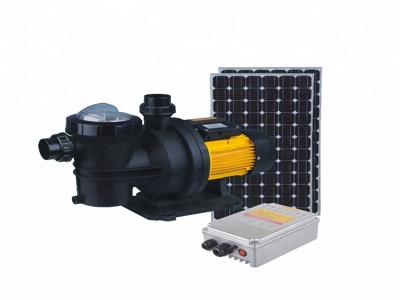
В современном мире, где энергетические ресурсы становятся все более ценными, экономия энергии превращается не просто в модный тренд, а в необходимость. Особенно это касается насосных систем, которые широко используются в промышленности, сельском хозяйстве, коммунальном хозяйстве и быту. Насосы потребляют значительную часть электроэнергии, и их неэффективная работа может привести к огромным финансовым потерям. Однако многие предприятия и домовладельцы опасаются, что попытки сэкономить на насосах приведут к снижению их производительности и надежности. В этой статье мы разберем, как можно достичь существенной экономии энергии на насосах, не жертвуя их эффективностью. Мы рассмотрим технические аспекты, современные технологии, практические советы и реальные примеры, чтобы вы могли применить эти знания на практике.
Насосы являются одними из самых энергоемких устройств. По данным исследований, насосные системы могут потреблять до 20-25% всей электроэнергии в промышленно развитых странах. Это огромная цифра, которая прямо влияет на операционные расходы предприятий и домашние бюджеты. Кроме того, неэффективные насосы способствуют увеличению выбросов углекислого газа, усугубляя экологические проблемы. Поэтому оптимизация насосных систем – это не только вопрос экономии денег, но и вклад в устойчивое развитие.
Однако часто попытки сэкономить на насосах сводятся к простому снижению мощности или использованию дешевых, но некачественных компонентов. Это может привести к обратному эффекту: насосы начинают работать с перегрузками, чаще ломаются, и в итоге затраты на ремонт и замену превышают первоначальную экономию. Ключ к успеху – интеллектуальный подход, основанный на понимании принципов работы насосов и применении современных технологий.
В этой статье мы шаг за шагом разберем, как подойти к экономии энергии на насосах. Начнем с основ – что такое эффективность насоса и как ее измерить. Затем перейдем к конкретным методам экономии, таким как выбор правильного насоса, использование частотных преобразователей, оптимизация системы трубопроводов и регулярное обслуживание. Мы также обсудим, как технологии Интернета вещей (IoT) и искусственного интеллекта (AI) помогают сделать насосные системы умнее и экономичнее. В конце приведем практические рекомендации и примеры из реальной жизни, чтобы вы могли сразу приступить к действиям.
Прежде чем говорить об экономии, необходимо понять, что такое эффективность насоса. Эффективность насоса – это отношение полезной мощности, которую насос передает жидкости, к потребляемой электрической мощности. Она измеряется в процентах и обычно указывается производителем. Высокая эффективность означает, что насос меньше энергии тратит впустую, например, на трение или нагрев.
Но эффективность – это не постоянная величина. Она зависит от многих факторов: типа насоса (центробежный, поршневой, винтовой и т.д.), условий работы (напор, расход жидкости), качества сборки и даже от свойств перекачиваемой жидкости. Например, центробежные насосы, самые распространенные в промышленности, имеют максимальную эффективность в определенном диапазоне расходов. Если насос работает outside этого диапазона, его эффективность резко падает.
Чтобы оценить эффективность вашей насосной системы, можно использовать простые формулы. Коэффициент полезного действия (КПД) насоса рассчитывается как η = (ρ * g * Q * H) / P, где ρ – плотность жидкости, g – ускорение свободного падения, Q – расход жидкости, H – напор, P – потребляемая мощность. Регулярные замеры этих параметров помогают выявить проблемы и opportunities для улучшения.
Важно также различать эффективность насоса и эффективность всей системы. Насос может быть высокоэффективным, но если система трубопроводов имеет высокие потери на трение или утечки, общая эффективность будет низкой. Поэтому подход должен быть комплексным.
В этой главе мы заложили фундамент. Теперь, зная основы, мы можем перейти к конкретным стратегиям экономии. Помните: цель – не просто снизить потребление энергии, а сделать это так, чтобы насос продолжал reliably выполнять свои функции.
Один из самых простых способов сэкономить на насосах – изначально выбрать модель с высоким КПД. К сожалению, многие покупатели руководствуются только ценой, не обращая внимания на энергоэффективность. Это ошибка, которая может дорого обойтись в долгосрочной перспективе.
Современные насосы часто имеют маркировку энергоэффективности, similar to бытовой технике. Например, в Европе действует директива ErP (Energy-related Products), которая обязывает производителей указывать класс энергоэффективности насосов. Насосы класса A или B consume significantly less energy compared to класса D или E. При выборе обращайте внимание на эти labels.
Но маркировка – не единственный критерий. Важно подобрать насос, который точно соответствует вашим needs. Oversizing – common mistake: people buy a pump that is too powerful for their system, thinking it will be more reliable. In reality, such a pump will operate at low efficiency, consuming extra energy. Undersizing is also bad: the pump will overwork, leading to premature failure.
To avoid this, conduct a detailed analysis of your system. Calculate the required flow rate and head, consider the properties of the fluid (viscosity, abrasiveness), and account for future changes in demand. Consult with experts or use selection software provided by manufacturers.
Also, consider the type of pump. For example, centrifugal pumps are good for high flow rates and low heads, while positive displacement pumps are better for high heads and viscous fluids. New technologies, such as magnetic drive pumps or canned motor pumps, offer higher efficiency and reliability by eliminating mechanical seals, which are a common source of energy loss and leaks.
Investing in a high-efficiency pump may have a higher upfront cost, but the savings in energy bills will quickly pay off. Studies show that the energy cost over the life of a pump can be 5-10 times higher than its purchase price. So, don't be penny-wise and pound-foolish.
Один из самых эффективных методов экономии энергии на насосах – это установка частотных преобразователей (ЧП), также known as variable frequency drives (VFDs). Traditional pumps operate at constant speed, which means they always consume the same amount of energy, regardless of actual demand. This is highly inefficient, especially in systems where flow requirements vary.
VFDs allow you to adjust the speed of the pump motor according to the real-time needs of the system. By reducing the speed when full capacity is not needed, you can achieve significant energy savings. The power consumed by a pump is proportional to the cube of its speed. So, if you reduce the speed by 20%, the power consumption drops by almost 50%! This is known as the affinity laws.
For example, in a water supply system, demand fluctuates throughout the day. Without a VFD, pumps might be constantly running at full speed, with excess flow being dumped or throttled using valves, which wastes energy. With a VFD, the pump speed automatically adjusts to maintain the desired pressure or flow, eliminating waste.
Installing a VFD is not just about saving energy; it also extends the life of the pump by reducing mechanical stress. Soft start and stop capabilities prevent water hammer and reduce wear on bearings and seals.
However, VFDs are not a silver bullet. They work best in systems with varying loads. In constant load applications, the savings may be minimal. Also, VFDs can introduce harmonics into the electrical system, which might require additional filters. Proper sizing and programming are crucial. It's recommended to involve specialists for installation and setup.
Many modern pumps come with integrated VFDs, making them ready for smart control. The initial investment in a VFD can be recouped within 1-3 years through energy savings, making it a highly attractive option.
Even the most efficient pump will waste energy if the piping system is poorly designed. Friction losses in pipes, fittings, and valves can account for a significant portion of the energy consumed. Optimizing the pipeline can lead to substantial savings without touching the pump itself.
First, ensure that the pipe diameter is appropriate. Undersized pipes cause high flow velocities, increasing friction losses. Oversized pipes are costly and can lead to sedimentation issues. Use hydraulic calculations to determine the optimal diameter. As a rule of thumb, for water systems, velocity should be between 1-3 m/s to balance energy loss and cost.
Minimize the number of bends, elbows, and other fittings. Each fitting adds resistance. Use long-radius elbows instead of short-radius ones, and avoid unnecessary changes in direction. Straight pipes are always more efficient.
Check for leaks and blockages. A small leak might seem insignificant, but over time it can waste a lot of energy and water. Regular inspections using ultrasonic leak detectors or flow meters can help identify problems early.
Consider the layout of the system. Pumps should be located as close as possible to the fluid source to reduce suction lift. Avoid air entrainment, which can reduce efficiency and cause cavitation.
In existing systems, retrofitting might be needed. For example, replacing old, corroded pipes with smooth, new ones can reduce friction. Adding insulation to pipes carrying hot fluids can prevent heat loss, reducing the load on pumps.
Remember, the goal is to create a system with minimal resistance, so the pump doesn't have to work harder than necessary. Sometimes, simple changes like cleaning pipes or replacing a faulty valve can restore efficiency.
A well-maintained pump operates more efficiently and lasts longer. Neglecting maintenance can lead to gradual degradation of performance, increased energy consumption, and eventually, costly breakdowns.
Establish a preventive maintenance schedule. This should include regular inspection of mechanical seals, bearings, and impellers. Worn-out parts increase friction and reduce efficiency. For example, a damaged impeller can cause imbalance and vibration, leading to higher energy use.
Monitor lubrication. Proper lubrication of bearings reduces friction and heat generation. Use the recommended type and amount of lubricant, and follow the manufacturer's intervals.
Check alignment. Misalignment between the pump and motor causes vibration and energy loss. Use laser alignment tools for accuracy.
Keep the pump clean. Debris or scale buildup on internal components can obstruct flow and reduce efficiency. In systems handling dirty fluids, install filters and clean them regularly.
Monitor performance trends. Use sensors to track flow, pressure, power consumption, and temperature. Sudden changes can indicate problems. For instance, a drop in flow at constant power might suggest wear or blockage.
Training operators is also important. They should know how to spot early signs of trouble, such as unusual noises or leaks, and understand the importance of energy efficiency.
Maintenance might seem like an expense, but it's an investment. Studies show that proactive maintenance can reduce energy consumption by 5-10% and extend equipment life by years.
The fourth industrial revolution is transforming pump systems. Internet of Things (IoT) sensors and Artificial Intelligence (AI) are enabling predictive maintenance and optimized control, taking energy savings to the next level.
IoT sensors can be attached to pumps to continuously monitor parameters like vibration, temperature, pressure, and energy consumption. This data is transmitted to a cloud platform where it is analyzed in real-time. Algorithms can detect anomalies, predict failures, and suggest adjustments to improve efficiency.
For example, an AI system might learn the normal operating patterns of a pump and alert you when deviations occur, indicating potential issues like cavitation or bearing wear. This allows you to fix problems before they cause energy waste or downtime.
AI can also optimize control strategies. Instead of simple setpoints, AI algorithms can dynamically adjust pump speed based on weather conditions, demand forecasts, and energy prices. In a smart building, pumps might run slower during off-peak hours to save energy costs.
These technologies are becoming more accessible. Many manufacturers offer smart pumps with built-in connectivity. There are also retrofit solutions that can upgrade existing pumps.
While the initial setup might require investment, the long-term benefits are substantial. Reduced energy bills, fewer breakdowns, and extended equipment life make it worthwhile. Moreover, sustainability gains enhance corporate image.
Embrace innovation. Start with pilot projects to demonstrate value, then scale up. The future of pumping is smart and efficient.
Let's translate theory into action. Here are some practical tips for saving energy on pumps:
Real-world example: A water treatment plant in Germany replaced old pumps with high-efficiency models and added VFDs. They reduced energy consumption by 30%, saving €50,000 annually. The investment paid back in less than two years.
Another example: A homeowner installed a smart irrigation pump with IoT control. By watering based on soil moisture and weather data, they cut water and energy use by 40%.
These stories show that savings are achievable with the right approach.
Экономия энергии на насосах – это не sacrifice, а opportunity. By choosing efficient equipment, using advanced controls, optimizing systems, and maintaining properly, you can save money and reduce environmental impact without compromising performance.
Start today. Assess your current setup, set goals, and take action. The journey to energy efficiency is continuous, but every step counts. Together, we can build a more sustainable world.
Thank you for reading. If you have questions or need assistance, feel free to contact experts in the field. Remember, smart savings lead to long-term benefits.
Предыдущая страница: Профессиональное обслуживание насосов без лишних затрат советы экспертов
Следующая страница: наши насопы для трубопроводов превосходят все ожидания клиентов
Возвращение