Горячая линия единой национальной службы:

Свяжитесь с намиCONTACT
Текущее местоположение:Главная страница> Информационный центр> Что такое умный насос и как он работает
2025/12/02
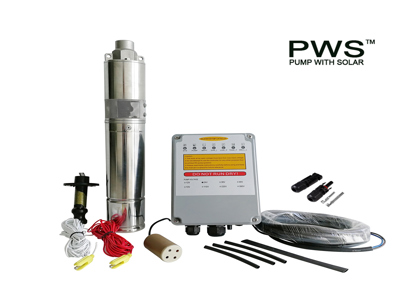
В современном мире технологии стремительно развиваются, и насосное оборудование не стало исключением. Умные насосы, или интеллектуальные насосы, представляют собой революционное решение, которое сочетает в себе традиционные функции перекачки жидкостей с передовыми цифровыми технологиями. Эти устройства оснащены сенсорами, микропроцессорами и системами связи, позволяющими им адаптироваться к изменяющимся условиям, оптимизировать энергопотребление и предоставлять данные в реальном времени. В этой статье мы подробно разберем, что такое умный насос, как он работает, его ключевые компоненты, преимущества, области применения и будущие тенденции. Мы также обсудим, как эти насосы могут быть интегрированы в умные дома и промышленные системы, делая их незаменимыми инструментами для повышения эффективности и устойчивости.
Умные насосы — это не просто обычные насосы с добавлением электроники; это сложные системы, предназначенные для автоматизации и оптимизации процессов перекачки. Они используются в различных отраслях, включая водоснабжение, отопление, вентиляцию, кондиционирование воздуха (ОВК), промышленность и сельское хозяйство. Основная идея заключается в том, чтобы уменьшить человеческое вмешательство, повысить надежность и снизить эксплуатационные расходы. Например, в системах водоснабжения умные насосы могут автоматически регулировать давление в зависимости от потребления, предотвращая утечки и экономя энергию. Это делает их экологически чистыми и экономически выгодными решениями.
История развития насосов насчитывает тысячелетия, начиная с простых ручных устройств в древних цивилизациях. С развитием промышленной революции появились механические насосы, а в XX веке — электрические. Однако настоящий прорыв произошел с внедрением микропроцессоров и интернета вещей (IoT) в начале XXI века. Сегодня умные насосы оснащены искусственным интеллектом (ИИ) и машинным обучением, что позволяет им предсказывать отказы и планировать обслуживание. Это не только улучшает производительность, но и продлевает срок службы оборудования.
В этой статье мы углубимся в детали работы умных насосов. Мы начнем с обзора основных компонентов, затем перейдем к принципам функционирования, обсудим преимущества и недостатки, и завершим примерами из реальной жизни и прогнозами на будущее. Цель — предоставить comprehensive руководство для профессионалов и любознательных читателей, которые хотят понять, как эти технологии меняют наш мир.
Умный насос состоит из нескольких ключевых компонентов, которые работают вместе для обеспечения интеллектуальной функциональности. Во-первых, это сам насосный агрегат, который включает в себя двигатель, рабочее колесо и корпус. Этот базовый элемент аналогичен традиционным насосам, но с улучшенными материалами и конструкцией для большей durability. Во-вторых, сенсоры играют crucial роль: они измеряют параметры, такие как давление, температура, расход жидкости и уровень вибрации. Эти данные передаются в central processing unit (CPU) или микроконтроллер.
Микропроцессор — это мозг умного насоса. Он обрабатывает информацию от сенсоров и executing algorithms для принятия решений. Например, если датчик давления detects падение, микропроц eccesor может увеличить скорость двигателя to maintain constant pressure. Additionally, умные насосы often include модули связи, такие как Wi-Fi, Bluetooth, или cellular networks, для подключения к cloud platforms или local networks. Это позволяет удаленный monitoring и control через smartphones или computers.
Другие компоненты включают power management systems для энергоэффективности, user interfaces like displays or buttons, и software with machine learning capabilities. Software может быть pre-installed или updatable over-the-air, enabling continuous improvement. For instance, algorithms can learn from historical data to optimize pump performance based on usage patterns. В целом, these components make умные насосы versatile and adaptive tools.
Работа умного насоса основана на цикле sensing, processing, and acting. First, сенсоры continuously monitor environmental conditions. For example, in a water supply system, a pressure sensor measures the water pressure in the pipes. If the pressure drops below a set threshold, indicating high demand or a leak, the sensor sends this data to the microprocessor. The microprocessor then analyzes the information using predefined algorithms or AI models.
Based on the analysis, the microprocessor sends commands to the pump motor to adjust its speed or output. This is often done through variable frequency drives (VFDs), which allow precise control of motor speed. By varying the speed, the pump can maintain optimal performance without wasting energy. For instance, during low demand periods, the pump runs slower, reducing energy consumption and wear. Additionally, the system can communicate with other devices or central management systems via IoT protocols, enabling coordinated actions across multiple pumps.
Another key aspect is predictive maintenance. The sensors detect anomalies, such as increased vibration or temperature, which might indicate impending failure. The software can alert users or schedule maintenance automatically, preventing downtime. Data logging and analytics provide insights into usage patterns, helping to further optimize operations. Overall, the principles of smart pump operation emphasize automation, efficiency, and reliability, making them superior to traditional pumps.
Умные насосы offer numerous advantages over conventional pumps. Firstly, they significantly improve energy efficiency. By adjusting operation based on real-time demand, they reduce energy consumption by up to 50% compared to fixed-speed pumps. This not only lowers electricity bills but also contributes to environmental sustainability by reducing carbon emissions. Secondly, they enhance reliability and longevity. Predictive maintenance capabilities prevent unexpected breakdowns, extending the equipment's life and reducing repair costs.
Thirdly, smart pumps provide better control and monitoring. Users can access real-time data and alerts remotely, allowing for quick responses to issues. This is particularly valuable in critical applications like healthcare or industrial processes where downtime can be costly. Fourthly, they offer scalability and integration with smart systems. For example, in a smart home, a smart pump can work with other IoT devices to automate water management, such as adjusting irrigation based on weather forecasts.
Additionally, smart pumps can improve water conservation by detecting leaks early and optimizing usage. In agriculture, they enable precision irrigation, delivering water only where and when needed. Despite higher initial costs, the long-term savings and benefits make them a worthwhile investment. However, it's important to note potential disadvantages, such as cybersecurity risks due to connectivity, and the need for technical expertise for installation and maintenance.
Умные насосы find applications in a wide range of fields. In residential settings, they are used in smart homes for water supply, heating systems, and swimming pools. For instance, a smart pump can automate pool filtration based on usage and water quality sensors, ensuring clean water with minimal energy use. In commercial buildings, they are integral to HVAC systems, maintaining comfortable temperatures efficiently.
In industry, smart pumps are crucial for processes involving fluids, such as in manufacturing, chemical processing, and oil and gas. They help in precise dosing, pressure control, and leak detection, improving safety and productivity. In agriculture, smart irrigation pumps optimize water usage, reducing waste and increasing crop yields. Municipal water systems benefit from smart pumps for distribution and wastewater management, enabling better resource allocation and reducing losses.
Other applications include healthcare, where smart pumps are used in medical devices for accurate fluid delivery, and renewable energy systems, such as in solar water pumping. The versatility of smart pumps makes them adaptable to various needs, driven by advancements in IoT and AI. As technology evolves, we can expect even broader adoption in emerging areas like smart cities and autonomous vehicles.
The future of smart pumps looks promising with ongoing innovations. Trends include greater integration with AI for autonomous decision-making, enhanced cybersecurity measures to protect connected systems, and the use of renewable energy sources to power pumps. For example, solar-powered smart pumps are becoming popular in remote areas, providing sustainable water solutions. Additionally, advancements in materials science may lead to more durable and efficient pump designs.
In conclusion, smart pumps represent a significant leap forward in pumping technology. They combine traditional mechanics with digital intelligence to offer efficiency, reliability, and control. Whether in homes, industries, or agriculture, these devices are transforming how we manage fluids. By understanding their components,工作原理, and benefits, users can make informed decisions to adopt this technology. As we move towards a more connected and sustainable world, smart pumps will play a vital role in optimizing resources and improving quality of life.
We encourage readers to explore further and consider implementing smart pumps in their own contexts. The initial investment may be higher, but the long-term gains in efficiency and savings are substantial. Stay tuned for more updates on technological advancements in this exciting field.
Предыдущая страница: Выбор надежного водяного насоса для дома обзор ключевых критериев
Следующая страница: Инновационный насос с частотным регулированием для экономии энергии
Возвращение