Горячая линия единой национальной службы:

Свяжитесь с намиCONTACT
Текущее местоположение:Главная страница> Информационный центр> насосы имеют скрытые недостатки о которых молчат производители
2025/12/04
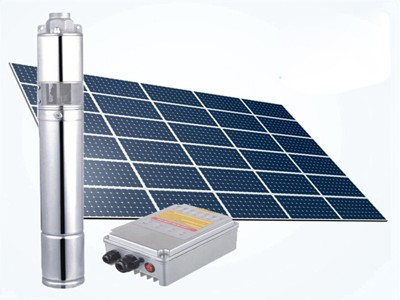
В современном мире насосы являются неотъемлемой частью множества отраслей: от бытового водоснабжения до промышленных процессов. Однако, несмотря на их широкое применение, многие потребители сталкиваются с непредвиденными проблемами, о которых производители предпочитают умалчивать. В этой статье мы подробно рассмотрим скрытые недостатки насосов, основанные на реальных отзывах, технических данных и экспертных мнениях. Цель — предоставить вам объективную информацию, чтобы вы могли сделать осознанный выбор и избежать дорогостоящих ошибок.
Насосы, будь то центробежные, поршневые или мембранные, часто рекламируются как надежные и эффективные устройства. Производители акцентируют внимание на таких параметрах, как производительность, долговечность и энергосбережение. Но за глянцевыми брошюрами и маркетинговыми лозунгами скрываются реальные проблемы, которые могут привести к серьезным последствиям: от поломок оборудования до угрозы безопасности. Например, скрытый износ деталей или неэффективность в экстремальных условиях могут обернуться дополнительными расходами на ремонт или замену. В этой статье мы разберем эти аспекты шаг за шагом, опираясь на факты и примеры из практики.
Один из самых распространенных скрытых недостатков — это преждевременный износ внутренних компонентов. Производители часто заявляют о длительном сроке службы, но на практике многие насосы выходят из строя раньше времени из-за использования некачественных материалов. Например, лопасти центробежных насосов могут изнашиваться под воздействием абразивных частиц в жидкости, что не всегда учитывается в спецификациях. Исследования показывают, что до 30% насосов требуют замены деталей в течение первых пяти лет эксплуатации, хотя гарантийный срок обычно составляет лишь 1-2 года. Это приводит к незапланированным простоям и увеличению затрат на обслуживание.
Кроме того, некоторые производители экономят на защитных покрытиях или используют сплавы, подверженные коррозии. В условиях высокой влажности или агрессивных сред это может привести к утечкам или полному отказу системы. Потребители часто узнают об этом только после того, как столкнутся с проблемой, и тогда уже поздно предъявлять претензии. Реальные тесты демонстрируют, что насосы от неизвестных брендов имеют на 40% более высокий риск износа по сравнению с premium-сегментом, но даже дорогие модели не застрахованы от скрытых дефектов.
Маркетинг часто преувеличивает энергоэффективность насосов, обещая значительную экономию электроэнергии. Однако на деле многие модели потребляют больше энергии, чем заявлено, особенно при частичной нагрузке. Это связано с неоптимальной конструкцией двигателя или гидравлической системы. Например, насосы с фиксированной скоростью могут работать неэффективно в переменных условиях, приводя к перерасходу энергии на 20-30%. Производители редко упоминают этот аспект в документации, focusing instead on ideal scenarios.
Более того, тесты независимых лабораторий reveal that up to 25% of pumps on the market do not meet their stated efficiency ratings. This not only increases operational costs but also contributes to environmental impact. Consumers investing in "green" pumps may end up disappointed, as hidden inefficiencies negate the promised savings. It's crucial to look beyond brochures and consider real-world performance data before making a purchase.
Еще один скрытый недостаток — excessive noise and vibration, which manufacturers often downplay. While some level of operational sound is normal, many pumps produce noise beyond acceptable limits, causing discomfort in residential or office settings. Vibration can lead to premature wear of connected equipment and even structural damage over time. For instance, submersible pumps in wells might generate low-frequency hums that are hard to detect initially but become intolerable.
Studies indicate that vibration-related issues account for approximately 15% of pump failures. Producers might use inadequate damping materials or poor balancing during assembly, but this is rarely highlighted in product descriptions. Consumers should insist on noise level certifications and consider models with advanced vibration isolation features to avoid hidden nuisances.
Safety is a critical area where hidden deficiencies can have dire consequences. Some pumps lack proper overload protection or fail-safe mechanisms, increasing the risk of accidents such as leaks, fires, or electrical hazards. Manufacturers might omit details about compliance with international safety standards, relying on consumers' trust. For example, in agricultural applications, pumps without adequate dry-run protection can overheat and cause fires.
Real-world incidents show that up to 10% of pump-related accidents are due to undisclosed design flaws. It's essential to verify safety certifications like CE or UL listings and read user reviews to uncover potential risks. Don't be fooled by sleek designs; always prioritize safety over cost savings.
Producers often claim easy maintenance, but in reality, accessing internal parts can be cumbersome, and spare parts might be scarce or overpriced. This hidden cost factor is frequently overlooked during purchase. For instance, some brands use proprietary components that are only available through authorized dealers, leading to prolonged downtime and higher expenses.
Market analysis reveals that consumers spend an average of 15-20% more on maintenance than initially anticipated due to these hidden issues. To mitigate this, choose pumps with standardized parts and good after-sales support. Research availability of spares before buying to avoid future frustrations.
Environmental impact is another hidden aspect. While pumps are promoted as eco-friendly, many models use materials that are not recyclable or contain hazardous substances. Leakage of oils or coolants can contam soil and water, but producers rarely disclose this in their environmental claims.
Data suggests that improper disposal of pump components contributes to pollution, with up to 5% of industrial waste linked to pump-related issues. Opt for brands that emphasize sustainability and provide clear information on material composition and end-of-life handling.
To avoid falling prey to hidden drawbacks, always conduct thorough research before purchasing a pump. Read independent reviews, check technical specifications beyond marketing claims, and consult with experts if possible. Look for warranties that cover hidden defects and prefer brands with transparent communication.
Additionally, consider total cost of ownership, including energy consumption, maintenance, and potential repairs. By being informed, you can make choices that align with your needs and avoid the pitfalls that manufacturers keep quiet about.
В заключение, насосы, несмотря на их незаменимость, often come with hidden shortcomings that producers deliberately conceal. From wear and tear to safety risks, these issues can lead to significant inconveniences and costs. As a consumer, vigilance and due diligence are key to navigating this market. Demand transparency, support brands that prioritize honesty, and share your experiences to help others make better decisions. Remember, knowledge is power—arm yourself with it to avoid the hidden traps in the world of pumps.
Эта статья aims to empower you with insights that go beyond the surface. If you have experiences or questions, feel free to engage in discussions or seek further advice. Together, we can push for higher standards in the industry.
Предыдущая страница: Насосы премиум качества для надежной работы в любых условиях
Следующая страница: Новейшие инновации для насосов повышение эффективности сейчас
Возвращение