Горячая линия единой национальной службы:

Свяжитесь с намиCONTACT
Текущее местоположение:Главная страница> Информационный центр> Эффективное использование ирригационных насосов в сельском хозяйстве
2025/12/05
Сельское хозяйство является одним из ключевых секторов мировой экономики, обеспечивая продовольственную безопасность и поддерживая миллионы жизней. Однако, с ростом населения и изменением климата, эффективное использование водных ресурсов становится все более критичным. Ирригационные насосы играют центральную роль в этом процессе, позволяя фермерам оптимизировать орошение, экономить воду и повышать урожайность культур. В данной статье мы глубоко погрузимся в тему, рассмотрев все аспекты выбора, использования и обслуживания ирригационных насосов, а также современные тенденции и инновации в этой области.
Ирригационные насосы — это устройства, предназначенные для перекачивания воды из источников, таких как реки, озера, колодцы или резервуары, на сельскохозяйственные поля. Они являются сердцем любой системы орошения, обеспечивая подачу воды к растениям в нужном количестве и в нужное время. Эффективное использование этих насосов не только повышает урожайность, но и способствует устойчивому развитию сельского хозяйства, уменьшая водный стресс и экологический impacto.
История ирригационных насосов насчитывает тысячелетия, начиная с простых ручных устройств в древних цивилизациях, таких как Египет и Месопотамия. С развитием технологий, насосы эволюционировали от механических конструкций к электрическим и дизельным моделям, а сегодня мы видим внедрение умных систем с автоматизацией и IoT (Интернет вещей). Это позволяет фермерам управлять орошением удаленно, мониторить расход воды и адаптироваться к изменяющимся условиям окружающей среды.
В современном сельском хозяйстве ирригационные насосы используются для различных методов орошения, включая капельное орошение, дождевание и поверхностное орошение. Каждый метод имеет свои преимущества и требует специфического типа насоса. Например, капельное орошение, которое считается наиболее эффективным с точки зрения экономии воды, часто использует центробежные насосы низкого давления, в то время как дождевание может потребовать насосов высокого давления для создания распыления воды.
Однако, несмотря на технологический прогресс, многие фермеры сталкиваются с challenges, такими как высокие энергозатраты, износ оборудования и неоптимальное использование воды. По данным FAO, до 60% воды, используемой в ирригации, теряется из-за неэффективных систем. Поэтому понимание принципов работы насосов, их выбора и обслуживания является crucial для достижения максимальной эффективности.
В следующих разделах мы подробно обсудим типы ирригационных насосов, факторы выбора, методы оптимизации, экономические и экологические аспекты, а также будущие тенденции. Эта информация поможет сельхозпроизводителям сделать informed decisions и улучшить свои операции.
Существует множество типов ирригационных насосов, каждый из которых подходит для specific условий и задач. Основные категории включают центробежные насосы, погружные насосы, турбинные насосы и объемные насосы. Давайте рассмотрим каждый из них подробнее.
Центробежные насосы являются наиболее распространенным типом в сельском хозяйстве due to their simplicity and reliability. Они работают по принципу центробежной силы, создаваемой вращающимся рабочим колесом, которое перемещает воду. Эти насосы идеальны для applications с высоким расходом воды и moderate напором, such as surface irrigation and sprinkler systems. Они могут быть поверхностными или погружными, но чаще используются в поверхностных конфигурациях для забора воды из открытых источников.
Погружные насосы, как следует из названия, полностью погружаются в воду и используются для подъема воды из глубоких колодцев или скважин. Они эффективны в areas с ограниченным доступом к surface water и могут работать на значительных глубинах. Эти насосы typically электрические и требуют minimal maintenance, но их установка и ремонт могут быть costly due to the need for specialized equipment.
Турбинные насосы, также known as vertical turbine pumps, combine elements of centrifugal and positive displacement pumps. Они состоят из multiple stages с рабочими колесами, что позволяет достигать high напоров, making them suitable for deep well irrigation and high-pressure systems. These pumps are often used in large-scale agriculture where water needs to be lifted from great depths.
Объемные насосы, such as piston pumps or diaphragm pumps, work by trapping a fixed volume of water and forcing it through the system. Они менее common в ирригации due to their lower flow rates and higher cost, but они excel in applications requiring precise control or handling of viscous fluids. For example, они могут быть used in drip irrigation systems where accurate water delivery is critical.
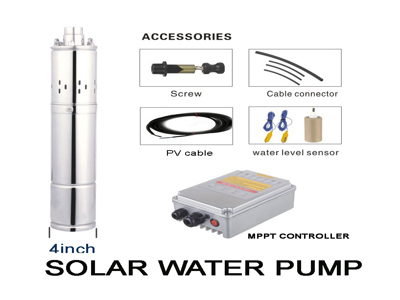
Кроме того, существуют специализированные насосы, such as solar-powered pumps, которые становятся increasingly popular due to their sustainability and cost-effectiveness in remote areas. These pumps use photovoltaic panels to generate electricity, reducing reliance on grid power or diesel fuel. Similarly, variable frequency drives (VFDs) can be integrated with pumps to adjust speed based on demand, further enhancing efficiency.
Выбор правильного типа насоса depends on factors such as water source depth, required flow rate and pressure, energy availability, and budget. For instance, if water is sourced from a shallow pond, a surface centrifugal pump might be sufficient, whereas a deep well would necessitate a submersible or turbine pump. It's essential to conduct a thorough assessment of local conditions before making a decision.
In practice, many farmers use a combination of pump types to optimize their irrigation systems. For example, a primary pump might lift water from a source to a storage tank, and secondary pumps then distribute it to fields using different methods. This modular approach allows for flexibility and redundancy, ensuring continuous operation even if one component fails.
Overall, understanding the characteristics and applications of various pump types is key to effective irrigation. In the next section, we'll delve into the factors to consider when selecting a pump for your agricultural needs.
Выбор подходящего ирригационного насоса is a critical decision that impacts the efficiency, cost, and sustainability of your farming operations. Several key factors must be considered to ensure optimal performance.
First and foremost, water demand and source characteristics play a pivotal role. Calculate the total water requirement based on crop type, soil conditions, climate, and irrigation method. For example, high-value crops like vegetables might need frequent, low-volume irrigation, whereas field crops like corn may require less frequent but higher-volume applications. The water source—whether it's a river, well, or reservoir—will determine the type of pump needed. Depth to water, flow rate available, and water quality (e.g., sediment content) are all important considerations.
Next, energy efficiency is crucial due to the significant operational costs associated with pumping. Evaluate the power source: electric pumps are common and efficient but require reliable electricity access, which may not be available in remote areas. Diesel pumps offer mobility and independence from the grid but produce emissions and have higher fuel costs. Solar pumps are an emerging option that can reduce long-term expenses and environmental impact, though they have higher upfront costs. Additionally, consider the pump's efficiency curve; select a pump that operates near its best efficiency point (BEP) to minimize energy waste.
System design and integration are also vital. The pump must be compatible with the irrigation system, whether it's drip, sprinkler, or flood irrigation. Factors like pipe size, length, and elevation changes affect the required pump pressure and flow. Use hydraulic calculations to size the pump correctly, avoiding oversizing which leads to inefficiency or undersizing which causes inadequate water delivery. Automation and control systems, such as timers or sensors, can enhance efficiency by adjusting pumping based on real-time conditions.
Maintenance and durability should not be overlooked. Choose pumps from reputable manufacturers with good warranty and service support. Materials of construction should be corrosion-resistant, especially if handling brackish water or chemicals. Regular maintenance schedules—including checking seals, bearings, and impellers—can prevent breakdowns and extend pump life. In some cases, investing in a more durable pump may have a higher initial cost but lower lifetime expenses.
Cost considerations encompass both capital expenditure (CAPEX) and operational expenditure (OPEX). Compare the purchase price, installation costs, energy consumption, and maintenance needs across different pump options. Government subsidies or incentives for energy-efficient or solar pumps might be available, so research local programs. Lifecycle cost analysis can help make an economically sound decision.
Environmental impact is increasingly important. Opt for pumps that minimize water waste and energy use. For instance, efficient pumps reduce greenhouse gas emissions if powered by fossil fuels. Solar pumps align with sustainable practices by utilizing renewable energy. Additionally, consider the pump's noise level and potential for soil erosion or water logging if not properly managed.
Lastly, future scalability and technological advancements should be factored in. As farming practices evolve, you might need to upgrade or expand your irrigation system. Choose a pump that can be easily integrated with new technologies, such as IoT for remote monitoring or AI for predictive maintenance.
By carefully evaluating these factors, farmers can select a pump that not only meets current needs but also supports long-term agricultural productivity and sustainability. In the following section, we'll explore methods to optimize pump usage for maximum efficiency.
Оптимизация использования ирригационных насосов involves implementing strategies and technologies to enhance performance, reduce costs, and conserve resources. Here are several effective methods.
Regular maintenance is foundational. Schedule routine inspections to check for wear and tear, leaks, or clogs. Clean filters and strainers to prevent blockages that reduce efficiency. Lubricate moving parts and replace worn components promptly. Keeping a maintenance log can help track performance and anticipate issues before they lead to failures. For example, monitoring vibration levels can indicate bearing problems early.
Energy management is key to cost reduction. Use energy-efficient pumps and motors, and consider variable speed drives (VSDs) to adjust pump speed based on demand. This avoids constant operation at full capacity, saving energy during periods of lower water need. Conduct energy audits to identify inefficiencies; sometimes, simple adjustments like optimizing pipe layout or reducing friction losses can yield significant savings. Solar-powered pumps are an excellent option for reducing electricity costs and carbon footprint.
Water conservation techniques should be integrated with pump operation. Employ precision irrigation methods such as drip or micro-sprinkler systems, which deliver water directly to the root zone with minimal evaporation or runoff. Use soil moisture sensors and weather data to schedule irrigation only when necessary, avoiding over-watering. Automate the system with controllers that adjust pumping based on real-time conditions, ensuring water is applied at the right time and rate.
System design optimization can greatly improve efficiency. Ensure that pipes are correctly sized to minimize pressure losses. Use booster pumps if needed for high-elevation areas. Implement zoning—dividing the field into sections with similar water needs—to allow targeted irrigation. This reduces the load on the pump and prevents water waste in areas that don't need it.
Monitoring and data analytics play a crucial role in modern optimization. Install flow meters, pressure gauges, and sensors to collect data on pump performance and water usage. Use software or IoT platforms to analyze this data, identifying trends and anomalies. For instance, a sudden drop in flow might indicate a leak or pump issue. Predictive maintenance algorithms can forecast when parts need replacement, reducing downtime.
Training and education for operators are essential. Ensure that farm staff understand how to operate and maintain the pumps correctly. Provide training on energy-saving practices and troubleshooting common problems. Empowered operators can make quick decisions that enhance efficiency, such as adjusting pump settings based on weather changes.
Economic incentives and government programs can support optimization efforts. In many regions, subsidies are available for upgrading to efficient pumps or implementing water-saving technologies. Take advantage of these opportunities to offset costs and accelerate adoption of best practices.
By combining these methods, farmers can achieve significant improvements in pump efficiency, leading to lower operational costs, increased crop yields, and reduced environmental impact. Next, we'll discuss the economic and environmental benefits of effective pump use.
Эффективное использование ирригационных насосов brings substantial economic and environmental benefits, contributing to the sustainability and profitability of agricultural operations.
From an economic perspective, optimized pump use directly reduces operational costs. Energy is often the largest expense in irrigation; by improving efficiency, farmers can lower electricity or fuel bills. For example, switching to a high-efficiency pump or adding a VSD can save up to 30% on energy costs. Reduced maintenance costs and longer equipment life further decrease expenses. Additionally, precise water application enhances crop yields and quality, leading to higher revenues. Studies show that efficient irrigation can increase yields by 10-25%, depending on the crop and region. This economic advantage is particularly important in competitive markets where profit margins are thin.
Water savings are another critical economic benefit. In areas where water is scarce or expensive, reducing consumption through efficient pumps and methods like drip irrigation can lead to significant cost savings. Moreover, avoiding over-irrigation prevents waterlogging and soil salinity issues, which can damage crops and require costly remediation. In the long term, investing in efficient pumps pays off through lower total cost of ownership.
Environmental benefits are equally important. Efficient pump use conserves water resources, which is vital in the face of climate change and increasing water scarcity. By minimizing water waste, farmers contribute to the sustainability of local ecosystems and reduce pressure on aquifers and rivers. This helps maintain biodiversity and supports other water users, such as communities and industries.
Reduced energy consumption translates to lower greenhouse gas emissions, especially if pumps are powered by fossil fuels. For instance, a farm using diesel pumps can cut emissions by optimizing operation or switching to renewable energy sources like solar. This aligns with global efforts to combat climate change and can enhance the farm's reputation as an environmentally responsible operation.
Furthermore, efficient irrigation practices prevent soil erosion and nutrient leaching, preserving soil health and reducing pollution of water bodies. Healthy soils support better crop growth and sequester carbon, adding to environmental benefits.
In summary, the economic and environmental gains from effective pump use are interconnected. By saving money and resources, farmers can invest in further improvements, creating a positive feedback loop that enhances sustainability. Governments and organizations often provide incentives for such practices, recognizing their broader societal benefits.
In the next section, we'll look at future trends and innovations in irrigation pumping technology.
The future of irrigation pumping is shaped by technological advancements aimed at increasing efficiency, sustainability, and ease of use. Several trends are emerging that will transform agricultural practices.
Smart pumps and IoT integration are at the forefront. These pumps are equipped with sensors and connectivity, allowing remote monitoring and control via smartphones or computers. Farmers can receive real-time data on flow rates, pressure, energy consumption, and even predictive alerts for maintenance needs. This enables proactive management and reduces the risk of failures. For example, an IoT-enabled pump can automatically adjust its operation based on weather forecasts or soil moisture levels, optimizing water use without human intervention.
Artificial intelligence (AI) and machine learning are being applied to analyze data from pumps and irrigation systems. AI algorithms can identify patterns and recommend optimal pumping schedules, predict equipment failures, and even suggest improvements based on historical data. This leads to higher efficiency and lower costs over time.
Renewable energy adoption is accelerating. Solar-powered pumps are becoming more affordable and efficient, with advancements in photovoltaic technology and battery storage. These pumps are ideal for off-grid areas and help reduce carbon footprints. In the future, we may see hybrid systems that combine solar, wind, or other renewables with traditional power sources for reliability.
Energy storage solutions, such as advanced batteries, are enabling better management of intermittent renewable energy. This ensures that pumps can operate consistently even when sunlight or wind is not available, making renewable-powered irrigation more practical for large-scale applications.
Material science innovations are leading to more durable and corrosion-resistant pumps. For instance, the use of composites or coatings that withstand harsh conditions can extend pump life and reduce maintenance needs. This is particularly beneficial in regions with saline water or abrasive sediments.
Automation and robotics are being integrated into irrigation systems. Autonomous pumps that can self-diagnose and repair minor issues are on the horizon. Drones and robots might be used for installation and maintenance in hard-to-reach areas, improving safety and efficiency.
Water-efficient technologies will continue to evolve. New pump designs that minimize energy use per unit of water delivered are being developed. Coupled with advanced irrigation methods like subsurface drip or variable rate irrigation, these innovations will further enhance water conservation.
Policy and market trends are also driving change. As water scarcity becomes more pressing, governments may implement regulations that encourage or mandate efficient irrigation practices. Consumer demand for sustainably produced food is pushing farmers to adopt greener technologies.
In conclusion, the future of irrigation pumping is bright, with innovations that promise to make agriculture more productive, sustainable, and resilient. Farmers who embrace these trends will be well-positioned to thrive in the coming years.
В заключение, эффективное использование ирригационных насосов является cornerstone современного сельского хозяйства. От выбора правильного типа насоса до внедрения передовых методов оптимизации, каждый шаг способствует повышению урожайности, экономии ресурсов и снижению environmental impact. С развитием технологий, таких как IoT, AI и renewable energy, возможности для улучшения continue to expand.
Фермеры и сельхозпроизводители должны активно обучаться и адаптироваться к этим изменениям, инвестируя в efficient equipment и best practices. Это не только принесет economic benefits, но и поможет ensure food security and environmental sustainability для future generations.
We hope this comprehensive guide has provided valuable insights and practical advice. By applying the principles discussed, you can maximize the effectiveness of your irrigation systems and contribute to a more sustainable agricultural future.
Предыдущая страница: как скорость насоса влияет на энергоэффективность системы
Следующая страница: Важные детали вес насоса для проекта
Возвращение