Горячая линия единой национальной службы:



Свяжитесь с намиCONTACT
Текущее местоположение:Главная страница> Информационный центр> Почему насосы требуют регулярного технического обслуживания
2025/12/08
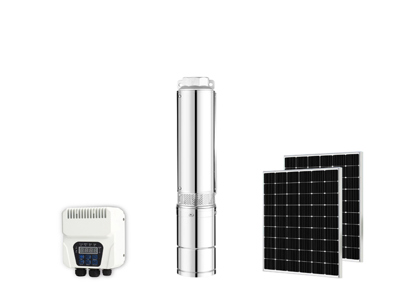
Насосы — это незаменимые устройства в различных отраслях, от водоснабжения и отопления до промышленного производства и сельского хозяйства. Они обеспечивают перекачку жидкостей, газов и суспензий, играя ключевую роль в поддержании непрерывности процессов. Однако, как и любое механическое оборудование, насосы подвержены износу, коррозии и другим факторам, которые могут привести к сбоям в работе. Поэтому регулярное техническое обслуживание насосов является не просто рекомендацией, а необходимостью для обеспечения их надежности, эффективности и долговечности. В этой статье мы рассмотрим, почему насосы требуют регулярного обслуживания, какие методы используются и как это влияет на экономику и безопасность.
Насосы работают в различных условиях: под высоким давлением, при экстремальных температурах или в агрессивных средах. Без регулярного технического обслуживания они могут быстро выйти из строя, что приведет к дорогостоящему ремонту или даже полной замене оборудования. Например, в системах водоснабжения насосы обеспечивают подачу воды в дома и предприятия; их отказ может вызвать перебои в снабжении, что негативно скажется на комфорте и производственных процессах. В промышленности насосы используются для перекачки химикатов, нефти или других жидкостей, и их неисправность может привести к утечкам, загрязнению окружающей среды или авариям. Таким образом, регулярное обслуживание помогает предотвратить такие ситуации, обеспечивая бесперебойную работу и минимизируя риски.
Кроме того, техническое обслуживание насосов способствует оптимизации энергопотребления. Изношенные или загрязненные насосы часто работают менее эффективно, потребляя больше электроэнергии или топлива. Это не только увеличивает эксплуатационные расходы, но и способствует выбросам углекислого газа, что негативно влияет на экологию. Регулярные проверки и обслуживание позволяют поддерживать насосы в оптимальном состоянии, снижая энергозатраты и продлевая их срок службы. В долгосрочной перспективе это приводит к значительной экономии средств и ресурсов.
В этой статье мы углубимся в детали, объясняя основные причины, по которым насосы требуют регулярного технического обслуживания. Мы рассмотрим типы насосов, common проблемы, методы обслуживания, и как это связано с безопасностью и экономикой. К концу чтения вы поймете, почему пренебрежение обслуживанием может быть дорогостоящей ошибкой, и как регулярный уход за насосами может принести пользу в различных сферах.
Насосы можно классифицировать по различным критериям, таким как принцип действия, конструкция и применение. Понимание этих типов важно, потому что каждый из них имеет свои уникальные требования к обслуживанию. Основные категории включают центробежные насосы, объемные насосы и специальные насосы.
Центробежные насосы являются наиболее распространенными. Они используют центробежную силу для перемещения жидкости через вращающееся рабочее колесо. Эти насосы широко применяются в системах водоснабжения, отопления и кондиционирования воздуха. Их преимущества включают простоту конструкции, высокую эффективность и способность handling large flow rates. Однако они чувствительны к загрязнениям и износу подшипников, что требует регулярной проверки и очистки. Например, в системах с водой, содержащей песок или другие абразивные частицы, рабочее колесо может быстро изнашиваться, leading to reduced performance. Therefore, maintenance for centrifugal pumps often involves inspecting and replacing worn parts, lubricating bearings, and cleaning impellers.
Объемные насосы, такие как поршневые или шестеренные насосы, работают by trapping and displacing a fixed volume of fluid. Они often used in applications requiring high pressure or handling viscous fluids, like in chemical processing or oil industries. These pumps are more complex and prone to issues like leakage or valve failures. Regular maintenance for positive displacement pumps includes checking seals, valves, and pistons for wear, as well as ensuring proper lubrication. Neglecting this can lead to catastrophic failures, such as leaks of hazardous materials.
Специальные насосы, including submersible pumps or magnetic drive pumps, are designed for specific environments. For instance, submersible pumps operate underwater and are common in wells or sewage systems. They require extra attention to electrical components and seals to prevent water ingress. Magnetic drive pumps use magnets to transfer motion, eliminating the need for shaft seals, which reduces leakage risks but still needs periodic checks for magnet degradation.
In summary, each pump type has its maintenance needs based on design and application. Regular servicing helps address these specific requirements, ensuring optimal performance and longevity. Ignoring these differences can result in inefficient operation or premature failure.
Регулярное техническое обслуживание насосов обусловлено несколькими ключевыми причинами, которые можно разделить на механические, operational, economic, and safety aspects.
Во-первых, механический износ is inevitable due to friction, vibration, and exposure to elements. Components like bearings, seals, and impellers degrade over time. For example, bearings in a pump can wear out from constant rotation, leading to increased noise, vibration, and eventual failure. If not maintained, this can cause the pump to seize, requiring costly repairs. Regular lubrication and inspection can prevent such issues. Similarly, seals prevent leaks but can deteriorate from chemical exposure or temperature changes. Replacing seals during maintenance stops leaks before they become problems.
Во-вторых, operational factors such as cavitation or clogging can affect pump performance. Cavitation occurs when vapor bubbles form and collapse in the pump, causing damage to impellers and reducing efficiency. It often happens due to low inlet pressure or high flow rates. Regular maintenance includes checking for signs of cavitation and adjusting operational parameters. Clogging from debris in the fluid can block flow, leading to overheating or motor burnout. Cleaning filters and impellers during maintenance prevents this.
В-третьих, economic reasons make maintenance essential. The cost of preventive maintenance is much lower than reactive repairs or replacements. For instance, replacing a worn bearing might cost a few hundred dollars, but if ignored, it could lead to a motor failure costing thousands. Additionally, well-maintained pumps operate more efficiently, saving energy costs. Studies show that pumps can lose up to 10-20% efficiency due to wear, so maintenance directly impacts operational expenses.
В-четвертых, safety is a critical concern. Pump failures can cause accidents, especially in industries handling flammable or toxic fluids. Leaks can lead to fires, explosions, or environmental contamination. Regular maintenance ensures that safety devices like pressure relief valves are functional and that the pump operates within safe limits. This protects workers, equipment, and the environment.
In conclusion, regular maintenance addresses wear and tear, optimizes performance, saves money, and enhances safety. It's a proactive approach that pays off in the long run.
Техническое обслуживание насосов involves various methods, ranging from daily checks to major overhauls. These can be categorized into preventive, predictive, and corrective maintenance.
Preventive maintenance is scheduled regularly to prevent failures. It includes tasks like lubrication, alignment checks, and visual inspections. For example, lubricating bearings every few months reduces friction and wear. Alignment ensures that the pump and motor shafts are properly aligned to avoid vibration and premature failure. Visual inspections look for leaks, corrosion, or unusual noises. This type of maintenance is based on time or usage intervals and is common in most industries.
Predictive maintenance uses monitoring tools to predict when maintenance is needed. Techniques include vibration analysis, thermography, and oil analysis. Vibration analysis detects imbalances or bearing issues before they cause damage. Thermography uses infrared cameras to spot overheating components. Oil analysis checks for contaminants or metal particles in lubricants, indicating wear. Predictive maintenance allows for planned interventions, reducing downtime and costs. For instance, if vibration levels rise, maintenance can be scheduled before a breakdown occurs.
Corrective maintenance is performed after a failure has occurred. It involves repairs or replacements but is generally more expensive and disruptive. While unavoidable sometimes, it highlights the importance of preventive measures. For example, if a pump fails due to a seized bearing, corrective maintenance would replace the bearing and possibly other damaged parts.
Additionally, condition-based maintenance is a blend, where actions are taken based on the actual condition of the equipment. This is increasingly popular with IoT sensors that provide real-time data on pump performance.
Effective maintenance also includes record-keeping. Logging maintenance activities helps track trends, plan future services, and comply with regulations. For pumps in critical applications, maintenance might be mandated by standards like ISO or industry-specific guidelines.
In practice, a combination of these methods is often used. For example, a centrifugal pump in a water treatment plant might have monthly preventive checks, quarterly predictive analyses, and annual overhauls. This comprehensive approach ensures reliability and efficiency.
Регулярное техническое обслуживание насосов has significant economic and environmental benefits.
Economically, it reduces total cost of ownership. Preventive maintenance costs are predictable and lower than emergency repairs. For example, a study by the Hydraulic Institute shows that proper maintenance can extend pump life by 20-30%, reducing capital expenditures on replacements. Energy savings are another major factor. A pump operating at peak efficiency uses less power; maintenance ensures that efficiency is maintained, leading to lower electricity bills. In large facilities, this can save thousands of dollars annually. Additionally, minimized downtime means uninterrupted production, which is crucial in industries like manufacturing or utilities where downtime costs can be astronomical.
Environmentally, well-maintained pumps contribute to sustainability. Efficient pumps consume less energy, reducing greenhouse gas emissions from power generation. They also prevent leaks of hazardous substances, protecting soil and water resources. For instance, in the oil and gas industry, pump failures can lead to spills that cause long-term environmental damage. Maintenance helps avoid such incidents. Moreover, by extending equipment life, maintenance reduces waste from discarded pumps, supporting circular economy principles.
Investing in maintenance also aligns with corporate social responsibility goals. Companies that prioritize equipment upkeep demonstrate commitment to safety and environmental stewardship, enhancing their reputation.
In summary, the economic and environmental impacts make regular maintenance a wise investment. It not only saves money but also supports sustainable practices.
В заключение, регулярное техническое обслуживание насосов является vital for ensuring their reliability, efficiency, and safety. From mechanical wear to economic savings, the reasons are compelling. By adopting a proactive maintenance strategy, businesses can avoid costly failures, reduce energy consumption, and protect the environment. Whether using preventive, predictive, or corrective methods, the key is consistency. Remember, a well-maintained pump is not just a piece of equipment; it's a safeguard for continuous operation and a contributor to overall success. Invest in maintenance today to reap the benefits tomorrow.
Предыдущая страница: Эксклюзивный обзор инновационной осевой помпы для промышленности
Следующая страница: Секреты Мощного Центробежного Насоса Раскрыты
Возвращение