Горячая линия единой национальной службы:



Свяжитесь с намиCONTACT
Текущее местоположение:Главная страница> Информационный центр> Ключевые факторы успеха при разработке надежных водяных насосов
2025/12/09
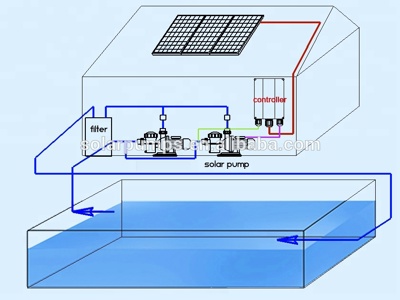
Разработка надежных водяных насосов — это сложный процесс, требующий интеграции множества факторов, от инженерного проектирования до выбора материалов и тестирования. В этой статье мы подробно рассмотрим ключевые элементы, которые определяют успех в создании насосов, способных выдерживать длительные нагрузки и обеспечивать эффективную работу в различных условиях. Водяные насосы широко используются в промышленности, сельском хозяйстве, бытовых системах и других областях, поэтому их надежность напрямую влияет на экономическую эффективность и безопасность.
Надежность водяных насосов — это способность оборудования выполнять свои функции без сбоев в течение заданного периода времени. Ненадежные насосы могут привести к серьезным последствиям, таким как перебои в водоснабжении, повышенные затраты на ремонт и даже экологические катастрофы. Например, в сельском хозяйстве отказ насоса может уничтожить урожай, а в промышленности — остановить производственные процессы. Согласно исследованиям, до 30% отказов насосов связаны с ошибками в проектировании и изготовлении, что подчеркивает важность тщательной разработки.
Исторически, развитие насосостроения началось с простых механических устройств, но современные требования диктуют необходимость интеграции высоких технологий. Успешная разработка требует учета множества переменных, включая гидродинамику, материалы science, и электронные системы управления. В этой статье мы разберем эти аспекты по порядку, начиная с основ проектирования.
Проектирование насоса — это первый и наиболее критический этап, определяющий его будущую производительность и долговечность. Оно включает в себя расчеты гидравлических параметров, таких как напор, расход и КПД, а также механические аспекты, like прочность компонентов и виброустойчивость. Использование современных CAD/CAE систем (например, SolidWorks или ANSYS) позволяет проводить виртуальные тесты и оптимизировать конструкцию до начала производства.
Ключевые элементы проектирования:
Пример из практики: Компания Grundfos успешно внедряет simulation-driven design, что позволяет им создавать насосы с КПД above 80% и сроком службы более 10 лет. Это демонстрирует, как тщательное проектирование напрямую влияет на надежность.
Материалы, используемые в насосах, должны withstand harsh conditions, including exposure to water, chemicals, and abrasive particles. Неправильный выбор can lead to rapid corrosion, wear, and ultimate failure. Common materials include stainless steel, cast iron, bronze, and polymers, each with specific advantages.
Key considerations:
Case study: The use of composite materials in modern pumps, such as those by Xylem Inc., has shown a 20% increase in lifespan compared to traditional metals, highlighting the importance of material innovation.
Энергоэффективные насосы not only reduce electricity costs but also contribute to environmental sustainability by lowering carbon emissions. Factors affecting efficiency include motor design, hydraulic efficiency, and control systems. Implementing variable frequency drives (VFDs) can optimize pump speed based on demand, saving up to 30% energy.
Strategies for improvement:
Real-world impact: In the EU, regulations like the ErP Directive mandate minimum efficiency levels for pumps, driving manufacturers to innovate. Companies like Wilo have developed pumps that exceed these requirements, demonstrating how energy efficiency is a key success factor.
Rigorous testing is essential to verify that a pump meets design specifications and can perform reliably under expected conditions. This includes hydraulic performance tests, endurance tests, and environmental tests (e.g., for temperature and humidity). Standards such as ISO 9906 provide guidelines for testing centrifugal pumps.
Testing phases:
Example: KSB Group conducts extensive testing on their pumps, including vibration analysis and noise level checks, ensuring that each unit delivers consistent performance before market release.
Even the best-designed pump requires proper maintenance to maintain reliability. Predictive maintenance techniques, such as vibration monitoring and oil analysis, can detect issues before they lead to failure. Training users on correct operation is also crucial.
Maintenance best practices:
Success story: In the water treatment industry, pumps equipped with remote monitoring systems have reduced downtime by up to 50%, showcasing how maintenance strategies directly impact reliability.
Разработка надежных водяных насосов — это multidisciplinary effort that combines advanced engineering, material science, energy efficiency, thorough testing, and proactive maintenance. By focusing on these key factors, manufacturers can create products that not only meet but exceed customer expectations, ensuring long-term reliability and cost-effectiveness. As technology evolves, embracing innovations like AI and digital twins will further enhance pump development, making it an exciting field for future advancements.
In summary, success hinges on a holistic approach: start with robust design, choose appropriate materials, prioritize energy savings, validate through testing, and support with maintenance. This comprehensive strategy will lead to pumps that serve reliably for years, benefiting industries and communities worldwide.
Ключевой вывод: Надежность насосов не достигается случайно; она является результатом тщательного планирования и исполнения на каждом этапе жизненного цикла продукта. Инвестиции в исследования и разработки окупаются многократно за счет снижения затрат на эксплуатацию и повышения удовлетворенности клиентов.
Предыдущая страница: Инновационные водяные насосы от лучшего производителя
Следующая страница: Насосы от надежного поставщика выгодные цены всегда
Возвращение