Горячая линия единой национальной службы:

Свяжитесь с намиCONTACT
Текущее местоположение:Главная страница> Информационный центр> Насосные системы для вашего комфорта и экономии энергии
2025/12/12
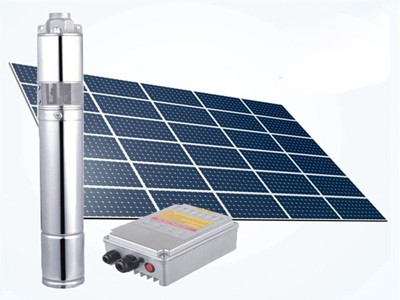
В современном мире, где энергоресурсы становятся все более ценными, а экологическая осведомленность растет, насосные системы играют ключевую роль в обеспечении комфорта и экономии энергии. Независимо от того, говорим ли мы о частном доме, квартире или промышленном объекте, правильно подобранные и установленные насосы могут значительно снизить затраты на электроэнергию, улучшить качество жизни и внести вклад в сохранение окружающей среды. В этой статье мы глубоко погрузимся в мир насосных систем, рассмотрим их типы, преимущества, инновационные технологии и практические советы по выбору и использованию. Мы также поделимся реальными историями успеха и статистикой, чтобы показать, как эти системы могут преобразить ваш быт или бизнес.
Насосные системы — это не просто технические устройства; это сердце многих инженерных систем в наших домах и на предприятиях. Они отвечают за циркуляцию воды в системах отопления и охлаждения, подачу питьевой воды, удаление сточных вод и многое другое. Без них наша повседневная жизнь была бы значительно менее комфортной. Однако традиционные насосы часто потребляют большое количество энергии, что приводит к высоким счетам за электричество и негативному воздействию на окружающую среду. С развитием технологий появились энергоэффективные насосы, которые не только выполняют свои функции, но и экономят до 80% энергии по сравнению с устаревшими моделями. Это делает их незаменимыми для тех, кто стремится к устойчивому развитию и экономии средств.
В этой статье мы рассмотрим, как насосные системы могут стать вашим союзником в борьбе за энергоэффективность. Мы начнем с основ: что такое насосные системы и как они работают. Затем перейдем к конкретным типам насосов, их применению в различных сферах, и как выбрать подходящую систему для ваших нужд. Мы также обсудим инновации в этой области, такие как умные насосы с IoT-интеграцией, и как они делают управление энергией еще более эффективным. Не забудем и о практических аспектах: установка, обслуживание, и расчет окупаемости инвестиций. К концу статьи вы будете вооружены знаниями, чтобы сделать осознанный выбор и наслаждаться комфортом без лишних затрат.
Насосная система — это комплекс устройств, предназначенных для перемещения жидкостей (通常是 воды или других fluids) через трубопроводы. Основной компонент — насос, который создает давление и заставляет жидкость двигаться. Простейший пример — насос в системе отопления, который циркулирует горячую воду по радиаторам, обеспечивая равномерное тепло в доме. Но как именно насосы экономят энергию? Все дело в эффективности. Старые насосы часто работают на постоянной скорости, потребляя энергию даже когда в этом нет необходимости. Современные энергоэффективные насосы, такие как那些 с частотным регулированием, адаптируются к реальным потребностям системы. Например, если температура в комнате достигла заданного значения, насос снижает скорость, экономя электроэнергию. Это не только уменьшает счета, но и продлевает срок службы оборудования.
Экономия энергии также достигается за счет优化设计 насосов и систем. Инженеры используют computational fluid dynamics (CFD) для создания насосов с минимальными потерями энергии на трение и вихреобразование. Кроме того, правильная установка и балансировка системы ensure that the pump operates at its peak efficiency. For instance, in a heating system, an oversized pump can waste energy by moving more water than needed, while an undersized one may not provide sufficient comfort. By choosing the right size and type, you can save significant amounts of energy. Studies show that upgrading to an energy-efficient pump can reduce energy consumption by 50-80%, depending on the application. This is not just theory; many homeowners and businesses have reported savings of hundreds of dollars per year after such upgrades.
Another key aspect is the integration of pumps with renewable energy sources. Solar-powered pumps, for example, use free energy from the sun to operate, further reducing reliance on grid electricity. In agricultural or remote areas, this can be a game-changer. Similarly, heat pumps, which are a type of pump system, can extract heat from the air or ground to provide heating and cooling with high efficiency. These systems often have coefficients of performance (COP) above 3, meaning they produce three units of heat for every unit of electricity consumed. This makes them incredibly efficient compared to traditional electric heaters or air conditioners.
Насосные системы можно классифицировать по различным критериям, таким как назначение, принцип действия и сфера применения. Давайте рассмотрим основные типы и то, как они contribute to comfort and energy savings.
These pumps are essential in HVAC (Heating, Ventilation, and Air Conditioning) systems. They circulate water or refrigerant to transfer heat. Energy-efficient models, like those with ECM (Electronically Commutated Motor) technology, adjust their speed based on demand, reducing energy use by up to 80% compared to fixed-speed pumps. In a typical home, this can translate to savings of 200-500 kWh per year, depending on climate and system size. For example, in a cold region, a well-designed pump can ensure even heating without hotspots, enhancing comfort while cutting costs.
Water supply pumps deliver potable water to buildings, while sewage pumps handle wastewater. Modern boosters pumps with variable speed drives can maintain constant pressure in the system, preventing energy waste from over-pumping. In multi-story buildings, this is crucial for comfort, as it ensures reliable water flow even on upper floors. Energy savings here come from reduced pump runtime and lower electricity consumption. Additionally, sewage pumps with grinder mechanisms can handle waste more efficiently, reducing the risk of clogs and the energy needed for maintenance.
Hot water recirculation pumps keep water moving in pipes, so you get hot water instantly at the tap, eliminating wait times and water waste. This not only improves comfort but also saves energy by reducing the amount of cold water that needs to be heated. Smart pumps with timers or motion sensors can operate only when needed, further optimizing energy use. For a family of four, this can save up to 10,000 gallons of water and significant energy per year.
In industrial settings, pumps are used for processes like cooling, chemical transfer, and irrigation. High-efficiency pumps here can lead to massive energy savings. For instance, in a manufacturing plant, upgrading to IE3 or IE4 efficiency class pumps (as per international standards) can reduce energy consumption by 20-30%. Variable frequency drives (VFDs) allow pumps to match the flow rate to process demands, avoiding energy waste. Case studies show that factories have achieved payback periods of less than two years on such investments.
Pumps integrated with solar, wind, or geothermal systems enable off-grid or low-energy operations. Solar water pumps, for example, are popular in agriculture, providing irrigation without grid power. Heat pumps, as mentioned, are highly efficient for space heating and cooling. These systems not only save energy but also reduce carbon footprint, aligning with global sustainability goals.
Each type of pump system offers unique benefits for comfort and energy savings. By understanding these, you can choose the right solution for your needs. In the next section, we'll delve into how to select the perfect pump system based on factors like size, efficiency ratings, and specific applications.
Выбор насосной системы — это critical decision that impacts both comfort and energy bills. Here’s a step-by-step guide to help you make an informed choice.
Start by identifying what you need the pump for. Is it for heating, water supply, or something else? Consider the flow rate (how much liquid needs to be moved) and head (the pressure required to move it). For example, in a heating system, calculate the heat load of your building to determine the required pump size. Oversizing can waste energy, while undersizing can lead to discomfort.
Look for pumps with high efficiency ratings, such as those meeting EU ErP directives or Energy Star certifications. Pumps are often rated on a scale (e.g., IE1 to IE4 for motors), with IE4 being the most efficient. Variable speed pumps are generally more efficient than fixed-speed ones because they adapt to demand. Also, consider the pump's lifecycle cost, not just the purchase price. An energy-efficient pump may cost more upfront but save money in the long run through lower electricity bills.
The installation environment matters. For outdoor or harsh conditions, choose pumps with corrosion-resistant materials. In residential settings, noise level might be a concern; opt for quiet models. Ensure proper piping and insulation to minimize energy losses. It's often wise to consult a professional for installation to avoid common mistakes that reduce efficiency.
Modern pumps come with smart features like IoT connectivity, allowing remote monitoring and control via smartphone apps. This can help optimize energy use by adjusting settings based on usage patterns. For instance, a smart pump can learn when you typically use hot water and pre-circulate it only during those times, saving energy.
Estimate the energy savings and payback period. Use online calculators or consult with experts. For example, if a new pump costs $500 and saves $100 per year in energy, it will pay for itself in 5 years. Factor in maintenance costs and potential incentives or rebates from governments or utilities for energy-efficient upgrades.
By following these steps, you can select a pump system that maximizes comfort and minimizes energy consumption. Real-world examples abound: a school in Germany reduced its heating energy use by 40% after upgrading to efficient pumps, while a hotel in Spain saw a 30% drop in water heating costs with smart recirculation pumps.
The pump industry is rapidly evolving with innovations that enhance efficiency and user experience. Let's explore some cutting-edge technologies.
Internet of Things (IoT) enables pumps to communicate with other devices and systems. Sensors monitor parameters like flow, pressure, and temperature, sending data to a cloud platform for analysis. This allows for predictive maintenance; the system can alert you before a failure occurs, avoiding downtime and saving energy. For example, a smart pump in a building management system can automatically adjust its speed based on occupancy sensors, ensuring energy is only used when needed.
Variable Frequency Drives (VFDs) are now standard in high-efficiency pumps. They control the motor speed to match demand, reducing energy consumption significantly. In applications like cooling towers, VFD-equipped pumps can save up to 60% energy compared to constant speed pumps. Advances in VFD technology have made them more affordable and reliable, making them accessible for residential use as well.
New materials, such as composites and coatings, reduce friction and wear, improving efficiency. Computational design tools optimize impeller and casing shapes for minimal energy loss. For instance, some modern pumps have hydraulically optimized components that operate at efficiencies over 90%, compared to 70-80% for older models.
Pumps are increasingly being paired with solar panels or wind turbines. Solar-powered irrigation pumps, for example, can operate without grid power, making them ideal for remote areas. Hybrid systems that combine multiple energy sources ensure reliability while maximizing savings.
AI algorithms can analyze data from pump systems to optimize performance in real-time. For example, an AI-powered system might learn that energy demand is lower at night and adjust pump operations accordingly. This can lead to additional savings of 10-15% beyond what traditional controls achieve.
These innovations are not just futuristic concepts; they are already being implemented worldwide. A city in Sweden uses smart pump systems in its district heating network, reducing energy use by 25% and cutting carbon emissions. As technology continues to advance, we can expect even greater efficiencies and new applications, such as pumps in electric vehicles for thermal management.
Proper installation and maintenance are crucial for getting the most out of your pump system. Here’s what you need to know.
Always hire a qualified professional for installation. Incorrect installation can lead to leaks, noise, and reduced efficiency. Key steps include ensuring the pump is level, pipes are properly sized and insulated, and electrical connections are secure. For variable speed pumps, programming the control settings correctly is essential to maximize energy savings. In residential systems, consider zoning—dividing the building into areas with separate pumps or controls—to further optimize energy use.
Regular maintenance prevents problems and maintains efficiency. Check for leaks, unusual noises, or vibrations monthly. Clean filters and strainers to avoid clogs. For heating systems, bleed air from radiators to ensure proper circulation. Annually, inspect the pump motor and bearings, and lubricate if necessary. Smart pumps often have self-diagnostic features that simplify maintenance.
Conduct an energy audit of your system periodically. Use tools like flow meters and power monitors to measure actual performance. Compare it to the pump's specifications to identify areas for improvement. Many utilities offer free or subsidized audits to help customers save energy.
If you have an old pump, consider replacing it. Pumps older than 10-15 years are likely inefficient. The energy savings from a new pump can quickly offset the cost. In some cases, governments provide incentives for replacements, such as tax credits or rebates.
By investing in proper installation and maintenance, you can extend the life of your pump system and keep it running efficiently. For example, a hospital in the UK saved £20,000 per year on energy after a comprehensive pump upgrade and maintenance program.
To illustrate the impact of energy-efficient pump systems, let's look at some case studies.
A family upgraded their heating system pump to a variable speed model. Previously, their annual heating bill was 60,000 RUB. After the upgrade, it dropped to 40,000 RUB, saving 20,000 RUB per year. The pump cost 30,000 RUB, so it paid for itself in 1.5 years. Comfort improved due to more consistent heating.
An office building replaced its old water supply pumps with high-efficiency ones. Energy consumption for water pumping reduced by 50%, saving 100,000 kWh annually. This translated to a cost saving of 500,000 RUB per year, with a payback period of 2 years on the investment.
A farm installed solar-powered irrigation pumps. They eliminated diesel generator costs, saving 200,000 RUB per year on fuel. The system also reduced carbon emissions, contributing to environmental sustainability.
The hotel implemented smart recirculation pumps for hot water. Guest comfort increased with instant hot water, and energy use dropped by 30%. The savings paid for the upgrade within 3 years, and positive reviews boosted business.
These examples show that regardless of scale, energy-efficient pump systems deliver tangible benefits. They prove that investing in modern technology is not only good for the planet but also for your wallet.
Насосные системы — это мощный инструмент для достижения комфорта и экономии энергии. От инновационных умных насосов до простых практик обслуживания, существует множество ways to optimize your systems. By understanding your needs, choosing efficient equipment, and maintaining it properly, you can significantly reduce energy consumption and costs. Whether you're a homeowner, business owner, or industrial operator, the benefits are clear: lower bills, enhanced comfort, and a smaller environmental footprint. Embrace the future of pump technology and start saving today. Remember, every small step towards energy efficiency contributes to a larger goal of sustainability. If you have questions or need assistance, consult with professionals who can guide you through the process. Ваш комфорт и экономия энергии в ваших руках!
Для дальнейшего чтения, explore resources from organizations like the European Pump Association or local energy agencies. Они предлагают detailed guides and calculators to help you make the best choices. Спасибо за чтение, и удачи в вашем journey к энергоэффективности!
Предыдущая страница: 10 способов защитить насос от мороза в Сибири
Следующая страница: Забудьте о замерзших трубах революционный антифризный насос
Возвращение