Горячая линия единой национальной службы:

Свяжитесь с намиCONTACT
Текущее местоположение:Главная страница> Информационный центр> Надежный контроллер для насоса гарантия бесперебойной работы
2025/12/13
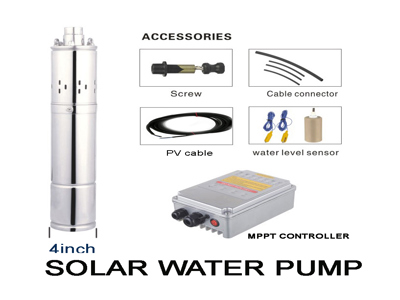
В современном мире, где эффективность и надежность являются ключевыми факторами успеха в промышленности и бытовом секторе, насосные системы играют критически важную роль. От водоснабжения и отопления до сложных промышленных процессов, насосы обеспечивают непрерывный поток жидкостей, без которого многие операции были бы просто невозможны. Однако, сам по себе насос — это лишь часть уравнения. Чтобы гарантировать его бесперебойную работу, необходимо интеллектуальное управление, и именно здесь на сцену выходит надежный контроллер для насоса. В этой статье мы глубоко погрузимся в мир насосных контроллеров, рассмотрим их преимущества, принципы работы, виды, способы выбора, установки, обслуживания, и то, как они могут революционизировать ваши системы, обеспечивая долгосрочную экономию и надежность.
Контроллер для насоса — это устройство, предназначенное для автоматического управления работой насоса, мониторинга его параметров и защиты от различных сбоев. Без такого контроллера насосы часто работают вручную или с базовой автоматикой, что приводит к частым поломкам, перерасходу энергии и снижению общего срока службы оборудования. Например, в системах водоснабжения, если насос работает непрерывно без контроля, это может вызвать перегрев, кавитацию (образование пузырьков, разрушающих насос), или даже полный отказ в критический момент. Контроллер же постоянно отслеживает давление, расход, температуру и другие параметры, адаптируя работу насоса к текущим потребностям. Это не только предотвращает аварии, но и оптимизирует энергопотребление, что в долгосрочной перспективе существенно снижает затраты. В промышленных условиях, где насосы используются для перекачки агрессивных сред или в высоконагруженных процессах, роль контроллера становится еще более vital. Он может интегрироваться с более крупными системами управления, такими как SCADA (диспетчерское управление и сбор данных), обеспечивая централизованный мониторинг и управление. Таким образом, инвестиция в качественный контроллер — это не просто покупка устройства, а стратегическое решение для повышения надежности всей системы.
Основная функция контроллера — управление включением и выключением насоса на основе заданных параметров. Например, в системе водоснабжения, контроллер может быть настроен на поддержание определенного давления в трубах. Когда давление падает ниже установленного уровня (скажем, из-за открытия крана), контроллер включает насос, и выключает его, когда давление достигает нужного значения. Это достигается с помощью датчиков, которые непрерывно передают данные контроллеру. Современные контроллеры используют микропроцессоры для обработки этих данных и принятия интеллектуальных решений. Они могут реализовывать сложные алгоритмы, такие как плавный пуск (soft start), который постепенно увеличивает скорость насоса, reducing mechanical stress and electrical surges. Additionally, many controllers feature frequency conversion, allowing the pump to operate at variable speeds based on demand, which significantly improves energy efficiency. For instance, in a building's HVAC system, a controller can adjust the pump speed to match the cooling or heating load, saving up to 50% energy compared to fixed-speed operation. Beyond basic control, advanced controllers offer protective functions like dry-run protection (shutting off the pump if there's no water to prevent damage), overcurrent protection, and temperature monitoring. They also log operational data, which can be used for predictive maintenance—identifying potential issues before they lead to failures. In essence, the controller acts as the brain of the pump system, ensuring it operates smoothly, efficiently, and safely under all conditions.
Контроллеры для насосов можно классифицировать по различным критериям, таким как тип управления, application, and connectivity. First, there are basic on/off controllers, which are simple and cost-effective, suitable for small domestic pumps where precision is not critical. Then, there are pressure controllers, commonly used in water supply systems to maintain constant pressure. Flow controllers adjust the pump operation based on flow rate, ideal for irrigation or industrial processes where volume control is key. Level controllers are used in sump pumps or tanks to control fluid levels, automatically turning the pump on or off when levels reach certain thresholds. For more complex needs, variable frequency drives (VFDs) or inverters are employed; these allow for speed control of the pump motor, offering superior energy savings and precise regulation. In terms of application, there are controllers designed specifically for submersible pumps, centrifugal pumps, or booster pumps, each with tailored features. For example, submersible pump controllers often include enhanced waterproofing and corrosion resistance. Connectivity-wise, modern controllers can be smart devices with IoT capabilities, enabling remote monitoring and control via smartphones or computers. This is particularly useful for large-scale installations or hard-to-reach locations. Some controllers are standalone units, while others are integrated into pump skids or larger automation systems. Choosing the right type depends on factors like the pump's specifications, system requirements, and budget. For instance, in a residential setting, a simple pressure controller might suffice, whereas in a chemical plant, a robust, explosion-proof controller with advanced diagnostics would be necessary.
Выбор контроллера для насоса требует тщательного анализа нескольких факторов. Во-первых, определите тип насоса и его номинальные параметры, такие как мощность, напряжение, и максимальное давление. Контроллер должен быть совместим с этими характеристиками to avoid overloading or underperformance. Second, consider the application: for water supply, a pressure-based controller is ideal; for drainage, a level controller might be better. Evaluate the environmental conditions—if the controller will be installed outdoors or in harsh environments, look for models with high IP ratings for dust and water resistance. Energy efficiency is another key factor; opt for controllers with VFD functionality if variable load is expected, as they can reduce energy consumption significantly. Ease of use and programming should also be considered; some controllers have user-friendly interfaces with touchscreens, while others require professional setup. Additionally, check for safety features like overload protection, short-circuit protection, and alarms for fault conditions. For future-proofing, choose controllers with communication options such as Modbus, Ethernet, or wireless connectivity, allowing integration with building management systems. Budget is, of course, important, but remember that a higher initial investment in a quality controller can lead to long-term savings through reduced energy bills and maintenance costs. It's advisable to consult with experts or refer to manufacturer guidelines to ensure compatibility. For example, brands like Grundfos, Schneider Electric, and Siemens offer reliable controllers with comprehensive support. Always read reviews and case studies to gauge real-world performance. In summary, a systematic approach to selection—matching controller capabilities to system needs—will ensure optimal performance and reliability.
Правильная установка и настройка контроллера crucial for its effective operation. Start by ensuring the power is disconnected to avoid electrical hazards. Mount the controller in a location that is accessible, well-ventilated, and protected from extreme temperatures, moisture, and vibrations. Follow the manufacturer's wiring diagram carefully; connect the power supply, pump motor, and sensors (e.g., pressure transducers or level sensors) as specified. Incorrect wiring can lead to malfunctions or damage. Once physically installed, proceed to configuration. Most modern controllers have digital interfaces for setting parameters such as setpoints (e.g., desired pressure or level), hysteresis (the range within which the pump operates), and delay times to prevent short cycling. For VFD controllers, additional settings like acceleration/deceleration times and frequency limits may be required. It's essential to calibrate sensors accurately; for instance, a pressure sensor should be zeroed and spanned according to the system's range. Many controllers offer auto-tuning features that simplify this process. After configuration, perform a test run: simulate conditions (e.g., by opening a valve to drop pressure) and observe if the controller responds correctly. Check for any error codes or alarms and address them promptly. Documentation is key—keep a record of all settings for future reference. For complex systems, consider hiring a professional electrician or technician to ensure compliance with local electrical codes and safety standards. Regular testing during initial operation helps iron out any issues. Remember, proper installation not only ensures functionality but also extends the lifespan of both the controller and the pump.
Регулярное обслуживание контроллера насоса необходимо для поддержания бесперебойной работы. Start with visual inspections: check for loose connections, signs of corrosion, or physical damage. Clean the unit periodically to prevent dust buildup, which can affect cooling and performance. Electrical components should be inspected for wear; tighten terminals if necessary. Software-wise, keep the firmware updated if the controller supports it, as updates often include bug fixes and new features. Monitor operational data logged by the controller; trends in pressure, flow, or energy consumption can indicate developing issues. For example, a gradual increase in energy use might suggest pump wear or clogging. Common faults include sensor failures—if the controller shows erratic readings, calibrate or replace the sensor. Overload trips can occur due to mechanical blockages or electrical problems; investigate the cause before resetting. If the pump doesn't start, check power supply, fuses, and wiring. Many controllers have diagnostic LEDs or displays that provide error codes; refer to the manual for interpretation. For instance, a "dry run" error means the pump is operating without fluid, which could indicate a leak or low level. Preventive maintenance schedules should include testing protection functions, such as simulating a dry run to ensure the shutdown mechanism works. In case of persistent issues, consult the manufacturer's support or a qualified technician. Keeping spare parts like fuses or sensors on hand can minimize downtime. Ultimately, proactive maintenance reduces the risk of unexpected failures and extends equipment life.
Инвестиции в надежный контроллер для насоса приносят множество benefits. First and foremost, it enhances reliability by preventing common failures like dry running, overheating, or pressure surges, which can cause costly damage and downtime. In critical applications such as hospitals or data centers, where uninterrupted water supply is vital, this reliability is non-negotiable. Energy efficiency is another major advantage; controllers with VFD technology can cut energy consumption by 20-50% by matching pump speed to demand, leading to substantial cost savings over time. For example, in a municipal water system, this can translate to thousands of dollars saved annually. Automation reduces the need for manual intervention, freeing up personnel for other tasks and reducing human error. Safety is improved through built-in protections that guard against electrical hazards and equipment damage. Additionally, modern controllers offer remote monitoring capabilities, allowing operators to check status and receive alerts from anywhere, which is especially useful for distributed systems. Data logging features enable better decision-making through analytics; for instance, identifying patterns that indicate maintenance needs. From an environmental perspective, reduced energy use lowers carbon footprint. Overall, the return on investment is high, often paying for itself within a few years through energy savings and avoided repair costs. Case studies show that systems with advanced controllers have longer lifespans and higher operational uptime, making them a smart choice for any application.
Технологии в области насосных контроллеров постоянно evolve, driven by trends like IoT, artificial intelligence, and sustainability. Future controllers will be even smarter, with AI algorithms that predict failures before they happen by analyzing historical data and real-time inputs. For instance, machine learning models could detect subtle changes in vibration or noise that signal impeller wear. IoT integration will become standard, enabling seamless connectivity with cloud platforms for centralized management of multiple pumps across locations. This allows for big data analytics, optimizing entire networks rather than individual units. Energy efficiency will continue to improve with advancements in power electronics and materials, making controllers smaller, more efficient, and cheaper. Sustainability will be a key focus; controllers may incorporate features to minimize water waste or integrate with renewable energy sources. User interfaces will become more intuitive, with augmented reality (AR) tools for installation and troubleshooting—imagine pointing a smartphone at a controller to see overlay instructions. Cybersecurity will also be critical, as connected devices need protection against hacking. Standards and regulations will likely tighten, pushing for higher efficiency and safety. In the coming years, we can expect controllers that are not just reactive but proactive, contributing to smarter cities and industries. For example, in smart buildings, pumps could automatically adjust based occupancy sensors or weather forecasts. Embracing these innovations will ensure that pump systems remain reliable, efficient, and future-proof.
В заключение, надежный контроллер для насоса является indispensable component for ensuring uninterrupted operation of pump systems. From basic domestic setups to complex industrial applications, it provides the intelligence needed to optimize performance, save energy, and prevent failures. By understanding the types, selection criteria, installation processes, and maintenance practices, users can maximize the benefits of these devices. The future holds exciting advancements that will make controllers even more integral to efficient and sustainable operations. Investing in a quality controller is not just about technology—it's about peace of mind, knowing that your systems will run smoothly and reliably for years to come. Whether you're a homeowner looking to improve water pressure or an engineer designing a large-scale installation, the right controller can make all the difference. Take action today: evaluate your current setup, consult experts, and choose a controller that meets your needs. With proper implementation, you'll enjoy enhanced efficiency, reduced costs, and unparalleled reliability. Remember, in the world of pump systems, the controller is the key to unlocking true uninterrupted performance.
Эта статья предоставила comprehensive overview, but always refer to specific product manuals and professional advice for your unique situation. For more information, explore resources from leading manufacturers or attend industry workshops to stay updated on the latest trends.
Предыдущая страница: Что такое электродвигатель и как он работает
Следующая страница: Почему выбор насоса так важен для экономии электроэнергии в быту и промышленности
Возвращение