Горячая линия единой национальной службы:

Свяжитесь с намиCONTACT
Текущее местоположение:Главная страница> Информационный центр> Новый уровень автономии с нашими инновационными насосами
2025/12/15
В современном мире, где технологии стремительно развиваются, автономность становится ключевым фактором в различных отраслях, от промышленности до бытового использования. Насосы, как неотъемлемая часть инфраструктуры, играют crucial role в обеспечении водоснабжения, отопления, охлаждения и многих других процессов. Однако традиционные насосы часто сталкиваются с проблемами, такими как высокое энергопотребление, частые поломки и необходимость постоянного обслуживания. Это подчеркивает острую потребность в инновациях, которые могут преодолеть эти ограничения и предложить новый уровень автономии.
Наша компания, лидер в области насосных технологий, представляет революционные насосы, разработанные с использованием передовых материалов, интеллектуальных систем управления и энергоэффективных решений. Эти инновации не только повышают надежность и долговечность оборудования, но и значительно снижают эксплуатационные затраты, делая насосы практически автономными. В этой статье мы подробно обсудим, как наши насосы трансформируют индустрию, обеспечивая беспрецедентную автономию через интеграцию IoT, использование возобновляемых источников энергии и адаптивные алгоритмы работы.
История насосов насчитывает тысячелетия, начиная с простых ручных устройств в древних цивилизациях, таких как Египет и Рим, где они использовались для ирригации и водоснабжения. С развитием промышленной революции в XVIII веке насосы стали более сложными, с внедрением паровых и электрических двигателей, что позволило автоматизировать процессы и увеличить производительность. Однако даже в XX веке насосы оставались относительно примитивными, требуя регулярного вмешательства человека для обслуживания и ремонта.
В XXI веке, с бумом цифровых технологий, насосы начали эволюционировать в умные устройства. Появление микропроцессоров и датчиков позволило создать насосы с автоматическим контролем параметров, таких как давление, температура и расход. Это стало первым шагом к автономности, но настоящий прорыв произошел с интеграцией Интернета вещей (IoT). Наши инновационные насосы оснащены IoT-модулями, которые непрерывно собирают данные о работе оборудования и передают их в облачные системы для анализа. Это позволяет прогнозировать возможные сбои, оптимизировать энергопотребление и уменьшать необходимость в человеческом вмешательстве.
Кроме того, использование искусственного интеллекта (AI) в наших насосах enables them to learn from operational patterns and adapt to changing conditions. For example, in systems водоснабжения, насосы могут automatically adjust their speed based on real-time demand, reducing energy waste and extending lifespan. This level of intelligence marks a significant leap from traditional pumps, which operated on fixed settings and often led to inefficiencies. The integration of AI not only enhances autonomy but also contributes to sustainability by minimizing resource consumption.
Another key aspect of this evolution is the development of self-diagnostic capabilities. Our pumps are equipped with advanced sensors that monitor vibrations, temperatures, and other critical parameters. If anomalies are detected, the system can initiate self-correction procedures or alert maintenance teams before a failure occurs. This predictive maintenance approach drastically reduces downtime and costs, making the pumps more autonomous and reliable. In contrast, older pumps required scheduled inspections that were often inefficient and missed early signs of problems.
The materials used in manufacturing have also seen innovations. We utilize corrosion-resistant alloys, composites, and coatings that enhance durability and reduce the need for frequent replacements. For instance, in harsh environments like chemical plants or marine applications, our pumps maintain performance without degradation, further supporting autonomy. This combination of smart technology and robust materials sets a new standard for the industry, paving the way for fully autonomous pumping systems in the near future.
Одним из главных вызовов для традиционных насосов является высокое энергопотребление, которое не только увеличивает эксплуатационные расходы, но и contributes to environmental issues such as carbon emissions. In many industrial sectors, pumps account for a significant portion of total energy usage, often up to 20-25%. This inefficiency stems from outdated designs, fixed-speed motors, and lack of optimization. Our innovative pumps address this through several key features that prioritize energy efficiency, thereby enhancing autonomy by reducing dependency on external power sources and minimizing operational costs.
First and foremost, we have incorporated variable frequency drives (VFDs) into our pump systems. VFDs allow the motor speed to be adjusted based on real-time demand, rather than running at constant full speed. This results in substantial energy savings, as power consumption is proportional to the cube of the speed reduction. For example, reducing speed by 20% can lead to nearly 50% energy savings. In practical terms, this means our pumps can operate autonomously for longer periods without needing frequent recharging or external power inputs, especially when integrated with renewable energy sources.
Moreover, our pumps are designed with high-efficiency motors that meet or exceed international standards such as IE4 or IE5 (premium efficiency classes). These motors minimize energy losses due to heat and friction, ensuring that more of the input power is converted into useful work. Coupled with optimized hydraulic designs that reduce turbulence and pressure drops, our pumps achieve overall efficiencies that are 10-15% higher than conventional models. This not only lowers electricity bills but also extends the battery life in off-grid applications, making them ideal for remote areas or emergency situations where autonomy is critical.
In addition to hardware improvements, our smart control systems play a vital role in energy management. Using AI algorithms, the pumps can analyze historical data and predict peak demand times, adjusting operation to avoid energy-intensive periods. For instance, in agricultural irrigation, our pumps can schedule water pumping during off-peak hours when electricity rates are lower, or even switch to solar power during daylight hours. This level of autonomy reduces reliance on the grid and enhances sustainability.
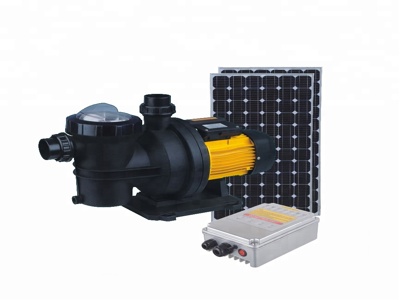
Furthermore, we have pioneered the integration of renewable energy sources directly into pump systems. Solar-powered pumps, for example, are becoming increasingly popular in regions with abundant sunlight. Our designs include photovoltaic panels and energy storage solutions that allow the pumps to operate completely off-grid. This is particularly beneficial for developing countries or rural areas where infrastructure is lacking. By harnessing free and abundant solar energy, these pumps achieve true autonomy, requiring zero external power and minimal maintenance.
The environmental benefits of energy-efficient pumps cannot be overstated. By reducing energy consumption, we directly cut greenhouse gas emissions associated with electricity generation. This aligns with global efforts to combat climate change and promotes a circular economy. Our pumps are also designed for recyclability at end-of-life, using materials that can be repurposed or reused. Thus, energy efficiency is not just about cost savings; it is a cornerstone of autonomous and sustainable operation that benefits both users and the planet.
Автономность насосов heavily depends on their reliability and ability to operate without frequent maintenance. Traditional pumps often suffer from wear and tear due to mechanical parts, seal failures, or corrosion, leading to unexpected downtime and high repair costs. Our innovative pumps are engineered to overcome these challenges through robust design, advanced materials, and proactive maintenance features, ensuring long-term autonomy with minimal human intervention.
One of the key innovations is the use of magnetic coupling or seal-less designs in our pumps. Unlike conventional pumps that rely on mechanical seals, which are prone to leakage and failure, our models use magnetic forces to transmit torque, eliminating the need for seals altogether. This design prevents fluid leakage, reduces friction, and extends the pump's lifespan. In applications involving hazardous or corrosive fluids, this is particularly advantageous, as it enhances safety and reduces environmental risks. As a result, these pumps can run continuously for years without requiring seal replacements, significantly boosting autonomy.
Additionally, we employ materials that are highly resistant to corrosion, abrasion, and high temperatures. For example, in industrial settings where pumps handle aggressive chemicals, we use alloys like Hastelloy or titanium, which withstand harsh conditions without degradation. In water treatment plants, ceramic coatings protect against erosion caused by suspended solids. These material choices not only improve durability but also reduce the frequency of part replacements, making the pumps more self-sufficient.
Predictive maintenance is another cornerstone of our approach to reliability. Equipped with IoT sensors, our pumps continuously monitor performance metrics such as vibration levels, temperature, and pressure. Machine learning algorithms analyze this data to detect early signs of potential failures, such as bearing wear or impeller damage. When an issue is identified, the system can automatically schedule maintenance or even perform self-adjustments, such as recalibrating settings to compensate for minor irregularities. This proactive stance prevents catastrophic failures and extends the mean time between failures (MTBF), ensuring that the pumps remain operational with little to no oversight.
Moreover, our pumps are designed for easy accessibility and modularity. Components that do require occasional maintenance, such as filters or sensors, are placed in easily reachable locations, reducing downtime during servicing. In some models, we have incorporated self-cleaning mechanisms that remove debris or scale buildup without manual intervention. For instance, in cooling systems, automatic backflush cycles can be triggered based on pressure differentials, keeping the pump efficient and reducing the need for cleaning.
Case studies from various industries demonstrate the effectiveness of these features. In a municipal water supply network, our pumps reduced maintenance intervals from monthly to annually, saving thousands of dollars in labor and parts. In offshore oil platforms, where reliability is critical, our seal-less pumps have operated flawlessly for over five years without any major repairs. These examples highlight how innovation in reliability directly translates to enhanced autonomy, allowing users to focus on their core activities without worrying about pump performance.
The integration of Internet of Things (IoT) and Artificial Intelligence (AI) technologies is revolutionizing the pump industry, enabling a level of autonomy that was previously unimaginable. Our innovative pumps are at the forefront of this transformation, leveraging connectivity and intelligence to operate independently, optimize performance, and interact seamlessly with other systems. This section explores how IoT and AI contribute to autonomous pumping solutions.
IoT connectivity allows our pumps to be part of a larger networked ecosystem. Each pump is equipped with sensors that collect real-time data on parameters like flow rate, pressure, temperature, and energy consumption. This data is transmitted wirelessly to a central cloud platform, where it is stored and analyzed. Users can access this information through web interfaces or mobile apps, enabling remote monitoring and control from anywhere in the world. For example, a facility manager can receive alerts on their smartphone if a pump shows signs of malfunction, allowing for immediate response even when off-site. This remote capability reduces the need for on-site personnel, enhancing autonomy.
AI algorithms take this a step further by enabling predictive analytics and autonomous decision-making. By analyzing historical and real-time data, AI can identify patterns and predict future events, such as increased demand during certain times of day or potential equipment failures. Our pumps use this intelligence to automatically adjust their operation. For instance, in a building's HVAC system, the pump can increase flow during hot afternoons to improve cooling efficiency, then reduce it at night to save energy. This self-optimization not only improves performance but also reduces human intervention to a minimum.
Moreover, AI facilitates adaptive learning. Over time, our pumps learn from their environment and usage patterns, continuously refining their algorithms for better efficiency. In agricultural applications, pumps can learn the soil moisture levels and weather forecasts to optimize irrigation schedules, ensuring water is used only when needed. This not only conserves resources but also prevents overwatering or underwatering, which can damage crops. The ability to adapt without manual reprogramming is a key aspect of autonomy.
Integration with other smart systems is another advantage. Our pumps can communicate with energy management systems, renewable energy sources, and even other pumps in a network. In a smart city scenario, pumps in water distribution networks can coordinate with each other to balance pressure and flow, preventing leaks and ensuring consistent supply. They can also interact with solar inverters or battery storage systems to prioritize green energy usage. This interoperability creates a holistic autonomous ecosystem where pumps are not isolated devices but active participants in a larger intelligent infrastructure.
Security is a critical consideration in IoT integration. We implement robust encryption and authentication protocols to protect data and prevent unauthorized access. Regular software updates are delivered over-the-air to address vulnerabilities and add new features, ensuring that the pumps remain secure and up-to-date without requiring physical intervention. This commitment to security further supports autonomy by minimizing risks associated with cyber threats.
In summary, the fusion of IoT and AI in our pumps transforms them from mere mechanical devices into intelligent, autonomous agents. They can monitor themselves, make decisions, and communicate with other systems, reducing reliance on human operators and enhancing overall efficiency. This represents a paradigm shift in how we think about pumping technology, moving towards a future where pumps are fully self-sufficient and integral to smart environments.
В условиях растущей обеспокоенности по поводу изменения климата и истощения ресурсов, экологическая устойчивость стала неотъемлемой частью разработки новых технологий. Наши инновационные насосы не только предлагают повышенную автономность, но и вносят значительный вклад в защиту окружающей среды через reduced energy consumption, minimal waste, and compatibility with green initiatives. Этот раздел examines how our pumps promote sustainability while maintaining high levels of autonomy.
Первым и наиболее очевидным environmental benefit является энергоэффективность, как discussed earlier. By consuming less electricity, our pumps reduce the carbon footprint associated with power generation. In regions where electricity is primarily generated from fossil fuels, this can lead to substantial reductions in CO2 emissions. For example, replacing an old pump with one of our high-efficiency models can save enough energy to power several homes for a year, directly contributing to climate goals.
Additionally, our pumps are designed for longevity and recyclability. Using durable materials and modular construction, we ensure that pumps have a long service life, reducing the frequency of replacements and the associated waste. At end-of-life, components are easily disassembled and recycled, minimizing landfill contribution. We also avoid hazardous materials in our designs, such as lead or mercury, making them safer for disposal and recycling. This circular economy approach aligns with global sustainability standards and regulations.
Water conservation is another critical aspect. In applications like irrigation or water supply, our smart pumps optimize water usage based on real-time data, preventing over-extraction and waste. For instance, in drought-prone areas, pumps can be programmed to operate only when necessary, using weather forecasts and soil sensors to determine the optimal watering schedule. This not only saves water but also protects local ecosystems from depletion.
Furthermore, our pumps support the integration of renewable energy sources, such as solar or wind power. By designing pumps that can directly operate on DC power from solar panels, we enable off-grid solutions that are both autonomous and eco-friendly. In remote villages or agricultural fields, solar-powered pumps provide reliable water access without emitting greenhouse gases. This is particularly impactful in developing countries, where access to electricity is limited, and traditional pumps rely on diesel generators, which are polluting and expensive.
Noise pollution is often overlooked but is an important environmental factor. Traditional pumps can be noisy, causing disturbance in residential or natural areas. Our innovative designs include sound-dampening materials and optimized aerodynamics that reduce operational noise. This makes them suitable for use in sensitive environments, such as near hospitals or wildlife reserves, without compromising autonomy or performance.
Lastly, we actively participate in green certifications and initiatives. Our pumps are tested and certified under programs like ENERGY STAR or LEED, ensuring they meet stringent environmental standards. We also collaborate with organizations to promote sustainable practices in the industry, such as reducing water leakage in distribution networks through smart monitoring. By prioritizing ecology, our pumps not only achieve autonomy but also contribute to a healthier planet for future generations.
Чтобы проиллюстрировать benefits наших инновационных насосов, этот раздел presents real-world case studies across various sectors. These examples demonstrate how our pumps deliver autonomy, efficiency, and reliability in diverse applications, from agriculture to industrial processing.
In agriculture, a farm in California adopted our solar-powered pumps for irrigation. Previously, they used diesel pumps that required frequent refueling and maintenance, costing over $10,000 annually in fuel alone. After switching to our pumps, they achieved complete autonomy: the pumps operate solely on solar energy, with IoT sensors adjusting water flow based on soil moisture data. This reduced operational costs by 80% and increased crop yields due to optimized watering. The farmers now monitor the system via a mobile app, rarely needing to visit the fields for pump-related issues.
In municipal water supply, a city in Germany integrated our smart pumps into their distribution network. The pumps use AI to predict demand patterns and adjust pressure accordingly, reducing leakage by 15% and energy consumption by 20%. Predictive maintenance alerts have prevented several potential failures, avoiding water outages and saving an estimated €50,000 per year in repair costs. The system operates autonomously, with manual intervention required only for major upgrades.
In industrial settings, a chemical plant in India implemented our corrosion-resistant pumps for handling aggressive fluids. The seal-less design eliminated leakage incidents, which were previously common and posed safety hazards. With IoT monitoring, the plant reduced downtime by 30% and extended pump lifespan from 2 to 7 years. The autonomy gained allows operators to focus on production rather than equipment maintenance.
Another example is in building management: a skyscraper in Dubai uses our pumps in its HVAC system. The pumps automatically adjust speed based on occupancy sensors and weather data, cutting energy usage by 25% compared to traditional systems. Integration with the building's smart grid allows them to draw power from solar panels during peak sunlight hours, enhancing sustainability. Maintenance is proactive, with alerts sent to facility managers only when necessary.
These case studies highlight the versatility and effectiveness of our pumps in achieving autonomy across different environments. By addressing specific challenges in each sector, we prove that innovation leads to tangible benefits, from cost savings to environmental protection.
В заключение, наши инновационные насосы represent a quantum leap in pumping technology, offering unparalleled autonomy through advancements in energy efficiency, reliability, smart integration, and sustainability. As we look to the future, trends such as increased AI capabilities, broader IoT adoption, and the rise of renewable energy will further enhance this autonomy. We envision a world where pumps operate entirely self-sufficiently, seamlessly integrated into smart cities and industries, contributing to a more efficient and sustainable global infrastructure. Embracing these innovations is not just an option but a necessity for progress.
Мы приглашаем вас explore наши продукты и присоединиться к революции в насосных технологиях. Для получения дополнительной информации, посетите наш веб-сайт или свяжитесь с нами directly. Together, we can build a future where autonomy and sustainability go hand in hand.
Предыдущая страница: Водяные насосы на возобновляемой энергии: революция в сельском хозяйстве
Следующая страница: Великая Революция Автоматического Полива Насос Изменит Вашу Жизнь
Возвращение