Горячая линия единой национальной службы:



Свяжитесь с намиCONTACT
Текущее местоположение:Главная страница> Информационный центр> Ваш насос на грани катастрофы узнайте почему так важно срочно заменить
2025/12/17
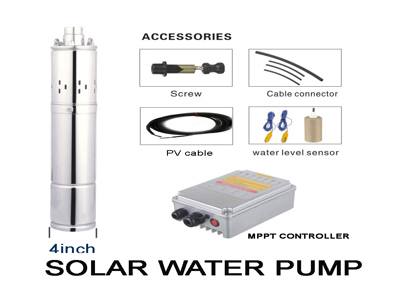
Вы когда-нибудь задумывались, что скрывается за тихим гудением вашего насоса? Возможно, это не просто обычный шум, а предвестник настоящей катастрофы! В этой статье мы разберем, почему ваш насос может быть на грани полного отказа, и объясним, почему срочная замена – это не просто рекомендация, а необходимость. Готовы ли вы рисковать своим комфортом и безопасностью? Давайте начнем!
Насос – это сердце многих систем в вашем доме или на предприятии. От водоснабжения и отопления до канализационных систем, насосы обеспечивают непрерывную циркуляцию жидкостей. Без них наша жизнь была бы гораздо сложнее: представьте, что у вас нет воды из крана или отопление не работает в холодную зиму. Но что происходит, когда это "сердце" начинает слабеть?
Насосы бывают разных типов: центробежные, поршневые, вихревые и многие другие. Каждый из них имеет свои особенности и срок службы. Однако со временем даже самый надежный насос изнашивается. Износ происходит из-за постоянной работы, воздействия агрессивных сред, перепадов давления и других факторов. И если вовремя не заметить признаки износа, последствия могут быть катастрофическими.
Почему же насос так важен? Потому что он обеспечивает критически важные функции. Например, в системе отопления насос циркулирует горячую воду, поддерживая комфортную температуру в доме. В водоснабжении он подает воду из скважины или колодца. В промышленности насосы используются для перекачки химикатов, нефти и других веществ. Любой сбой в работе насоса может привести к остановке всей системы, что чревато большими убытками и неудобствами.
Но как определить, что ваш насос на грани катастрофы? Давайте рассмотрим основные признаки, которые должны вас насторожить.
Насосы, как и любое оборудование, не вечны. Со временем они изнашиваются, и их эффективность снижается. Но некоторые признаки указывают на то, что замена нужна не просто скоро, а прямо сейчас. Игнорирование этих признаков может привести к поломке, которая обойдется вам гораздо дороже, чем профилактическая замена.
Первый и самый очевидный признак – это необычные шумы. Если ваш насос начал гудеть, скрипеть или стучать громче, чем обычно, это может быть сигналом износа подшипников, ротора или других внутренних компонентов. Шумы часто возникают из-за трения деталей, которое увеличивается по мере износа. В некоторых случаях это может привести к заклиниванию насоса и полному отказу.
Еще один важный признак – снижение производительности. Если насос стал качать воду медленнее или давление в системе упало, это говорит о том, что он не справляется со своей задачей. Причины могут быть разными: износ крыльчатки, засорение фильтров или проблемы с электродвигателем. Такое снижение производительности не только inconvenience, но и риск для всей системы. Например, в системе отопления недостаточная циркуляция может привести к перегреву котла или замерзанию труб в холодное время года.
Утечки – это тревожный звонок, который нельзя игнорировать. Если вы заметили капли воды или другой жидкости вокруг насоса, это может быть признаком износа уплотнений или коррозии корпуса. Утечки не только приводят к потере жидкости, но и могут вызвать короткое замыкание, если насос электрический. В промышленных условиях утечки опасных веществ могут иметь серьезные экологические и safety последствия.
Перегрев насоса – еще один симптом проблем. Если корпус насоса становится слишком горячим на ощупь, это указывает на перегрузку или недостаточное охлаждение. Перегрев может быть вызван засорением, износом или electrical issues. Длительный перегрев приведет к повреждению изоляции, плавлению деталей и eventual поломке.
Частые включения и выключения насоса (так называемое "короткое cycling") также являются признаком неисправности. Это может происходить из-за проблем с pressure switch, утечек в системе или износа насоса. Короткое cycling увеличивает износ двигателя и сокращает срок службы оборудования.
Наконец, возраст насоса. Большинство насосов рассчитаны на срок службы от 5 до 15 лет в зависимости от типа и условий эксплуатации. Если ваш насос уже отработал свой срок, даже если он пока работает нормально, лучше заменить его профилактически, чтобы избежать surprise failures.
Игнорирование этих признаков – это игра с огнем. Но какие именно риски несет отложенная замена насоса? Давайте углубимся в возможные катастрофы.
Когда насос выходит из строя, последствия могут быть ranging от неудобств до full-scale катастроф. В зависимости от типа системы, отказ насоса может привести к financial losses, damage to property, и даже угрозе для жизни. Давайте рассмотрим несколько сценариев, которые показывают, почему срочная замена так важна.
В домашних условиях отказ насоса водоснабжения означает, что у вас не будет воды. Представьте, что вы не можете принять душ, помыть посуду или даже смыть toilet. Это не просто inconvenience – в multi-story buildings это может affect dozens of families. Если насос is part of a well system, его отказ может привести к осушению скважины или повреждению оборудования.
В системе отопления отказ циркуляционного насоса может вызвать перегрев котла. Котел designed to work with continuous flow of water. Если насос stops, water stops circulating, and boiler can overheat, leading to pressure buildup and potential explosion. Это не exaggeration – there have been cases where boiler explosions caused significant damage and injuries. Additionally, without circulation, pipes can freeze in winter, causing them to burst and flood the house.
In sewage systems, a failed pump can lead to backups and overflows. Imagine raw sewage backing up into your basement or living areas. This is not only disgusting but also health hazard due to bacteria and viruses. Cleanup costs can be astronomical, and insurance may not cover neglect-related damages.
In industrial settings, the risks are even greater. A failed pump in a chemical plant can lead to spills of hazardous materials, environmental contamination, and regulatory fines. In oil and gas industry, pump failures can cause production stoppages, costing millions of dollars per day. In healthcare, pumps used in dialysis machines or other medical equipment must be reliable; a failure could be life-threatening.
Financial implications are substantial. The cost of emergency repair or replacement is often much higher than planned maintenance. You may need to pay for overtime labor, expedited shipping of parts, and additional damages caused by the failure. For businesses, downtime means lost revenue and customer dissatisfaction.
Safety risks cannot be overlooked. Electrical pumps that fail can cause fires or electrocution. Leaks can create slip hazards or promote mold growth. In extreme cases, pump failures have led to accidents that resulted in injuries or fatalities.
Given these risks, it's clear that procrastinating on pump replacement is a gamble not worth taking. But how do you choose the right replacement? Let's explore that next.
Choosing the right pump for replacement is crucial to avoid future problems. It's not just about picking any pump; you need to consider factors like type, size, material, and efficiency. A mismatched pump can lead to poor performance, increased energy costs, and premature failure.
First, determine the type of pump you need. Is it for water supply, heating, sewage, or something else? Centrifugal pumps are common for water circulation, while submersible pumps are used in wells. Positive displacement pumps are suitable for viscous fluids. Consult with a professional if you're unsure.
Size matters. The pump must be appropriately sized for your system. An undersized pump will struggle to meet demand, leading to overheating and early failure. An oversized pump can cause cavitation, vibration, and wasted energy. Calculate the flow rate and head pressure required for your application.
Material compatibility is important, especially if the pump handles corrosive or abrasive fluids. Stainless steel, cast iron, or plastic pumps are available based on the fluid properties. Using the wrong material can lead to rapid corrosion and leaks.
Energy efficiency should be a consideration. Modern pumps are designed to be more efficient, saving you money on electricity bills. Look for pumps with high efficiency ratings or variable speed drives that adjust to demand.
Brand reputation and warranty are also key. Choose pumps from reputable manufacturers that offer good customer support and warranty periods. This ensures reliability and peace of mind.
Installation is another aspect. Improper installation can void warranties and cause issues. It's often best to hire a qualified technician to handle the replacement, ensuring it's done correctly and safely.
By taking the time to choose the right pump, you can extend its lifespan and avoid repeating the cycle of imminent failure. But what about cost? Let's talk about the financial aspects.
Many people delay pump replacement because of the perceived cost. However, when you compare the cost of replacement to the potential costs of failure, it becomes clear that it's a wise investment. Let's break down the numbers.
The cost of a new pump varies widely based on type and size. For a residential water pump, you might spend anywhere from 10,000 to 50,000 rubles. Industrial pumps can cost much more. But this is just the hardware cost.
Installation costs add to the total. Professional installation ensures everything is set up correctly and can range from 5,000 to 20,000 rubles depending on complexity. DIY installation might save money but risks errors that could lead to future problems.
Now, consider the cost of failure. Emergency repairs often cost 2-3 times more than planned replacements due to overtime rates and rush fees. For example, if a pump fails in the middle of winter, you might pay extra for urgent service.
Then there are the indirect costs. Damage from water leaks can cost thousands to repair – think about ruined floors, walls, and furniture. In businesses, downtime can mean lost sales. For instance, a restaurant without water might have to close, losing revenue and customers.
Insurance may not cover neglect-related damages. If you knew the pump was failing but did nothing, your insurance claim could be denied, leaving you with full financial responsibility.
Energy savings from a new, efficient pump can offset some of the cost over time. Older pumps are less efficient and consume more electricity. Upgrading can reduce your energy bills by 10-30%, paying for itself in a few years.
Ultimately, viewing pump replacement as an investment in safety and reliability rather than an expense can change your perspective. It's about protecting your property, your comfort, and your peace of mind.
But how do you know when it's time to act? Regular maintenance can help you stay ahead of problems. Let's discuss that.
Regular maintenance is key to extending the life of your pump and avoiding catastrophic failures. It allows you to catch issues early, before they become major problems. A well-maintained pump is more reliable, efficient, and cost-effective.
Basic maintenance tasks include inspecting for leaks, checking unusual noises, and monitoring performance. For example, you should listen for changes in sound and feel for vibrations. Any abnormalities should be investigated promptly.
Cleaning filters and strainers is essential. Clogged filters reduce flow and force the pump to work harder, leading to overheating and wear. How often you clean depends on the water quality and usage, but generally, it should be done every few months.
Lubrication is important for pumps with moving parts. Bearings and seals need regular lubrication to reduce friction and prevent seizure. Refer to the manufacturer's guidelines for the recommended schedule and type of lubricant.
Electrical components should be checked for signs of wear, such as frayed wires or corrosion. Ensure that connections are tight and that the pump is grounded properly to prevent electrical hazards.
For more complex systems, professional maintenance is advisable. A technician can perform tasks like pressure testing, alignment checks, and efficiency assessments. They can also identify wear parts that need replacement before they fail.
Keeping a maintenance log helps track the pump's history and schedule future services. Note down dates of inspections, any issues found, and actions taken. This log can be valuable for troubleshooting and warranty claims.
Seasonal maintenance is especially important. Before winter, check that pumps in heating systems are ready for increased demand. In summer, ensure irrigation pumps are clean and functional.
By investing time in maintenance, you can significantly reduce the risk of sudden failures. However, even with maintenance, pumps have a finite lifespan. Knowing when to replace is part of good management.
In conclusion, if your pump is showing signs of wear, don't wait for disaster. Act now to replace it and enjoy uninterrupted service. Your future self will thank you.
Ваш насос – это критически важный компонент, от которого зависит комфорт, безопасность и functionality ваших систем. Игнорирование признаков износа может привести к катастрофическим последствиям, включая financial losses, property damage, и risks to health and safety.
Срочная замена насоса – это не expense, а investment in reliability and peace of mind. By choosing the right pump, maintaining it properly, and acting proactively, you can avoid the headaches of emergency repairs.
Remember, a small issue today can become a big problem tomorrow. Don't let your pump reach the brink of disaster. Take action now, and ensure that your systems run smoothly for years to come.
If you're unsure about the state of your pump, consult a professional. They can provide expert advice and help you make the best decision for your needs.
Thank you for reading, and stay safe!
Предыдущая страница: Выбирайте лучшие насосы для питьевой воды с умом и заботой
Следующая страница: Беспроблемная установка насоса шаг за шагом для дома
Возвращение