Горячая линия единой национальной службы:



Свяжитесь с намиCONTACT
Текущее местоположение:Главная страница> Информационный центр> Оптимизация работы котельных насосов для повышения эффективности систем
2025/12/20
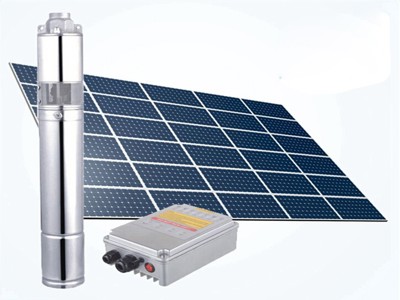
В современном мире энергоэффективность становится критически важным аспектом для устойчивого развития и снижения эксплуатационных затрат. Котельные насосы играют ключевую роль в системах отопления, обеспечивая циркуляцию теплоносителя и поддерживая оптимальные температурные режимы. Однако неэффективная работа насосов может привести к значительным потерям энергии, повышенным расходам на электроэнергию и сокращению срока службы оборудования. В данной статье мы подробно рассмотрим стратегии оптимизации работы котельных насосов, направленные на повышение общей эффективности систем отопления. Мы изучим основные принципы функционирования насосов, идентифицируем распространённые проблемы и предложим практические решения, основанные на современных технологиях и лучших практиках. Кроме того, мы обсудим роль цифровизации и автоматизации в управлении насосными системами, а также представим экономические выгоды от внедрения оптимизационных мер. Цель статьи — предоставить комплексное руководство для инженеров, технических специалистов и управленцев, стремящихся улучшить производительность своих систем и сократить экологический след.
Котельные насосы являются сердцем систем отопления, отвечая за перемещение теплоносителя (чаще всего воды или пара) через теплообменники, радиаторы и другие элементы системы. Их эффективная работа напрямую влияет на энергопотребление, комфорт в отапливаемых помещениях и общую надёжность системы. Однако многие существующие системы страдают от неоптимальной настройки насосов, что приводит к избыточному энергопотреблению, шуму, вибрациям и преждевременному износу оборудования. По данным исследований, до 30% энергии, потребляемой системами отопления, может быть потеряно из-за неэффективной работы насосов. Это не только увеличивает эксплуатационные расходы, но и contributes to higher carbon emissions, exacerbating environmental issues. Therefore, optimizing pump operation is not just a technical necessity but also an economic and environmental imperative. In this section, we will outline the scope of the problem, highlighting the importance of pump optimization in the context of modern energy challenges. We will also introduce key concepts such as pump efficiency, system resistance, and flow control, which will be elaborated in subsequent sections. By understanding these fundamentals, readers can better appreciate the strategies discussed later for enhancing pump performance.
Чтобы эффективно оптимизировать котельные насосы, необходимо сначала понять их принципы работы и функции в системах отопления. Насосы в котельных установках typically are centrifugal pumps, which use rotational energy from an electric motor to move fluid by converting kinetic energy into pressure energy. The key parameters defining pump performance include flow rate (measured in cubic meters per hour or liters per second), head (pressure difference in meters of water column), power consumption (in kilowatts), and efficiency (ratio of hydraulic power output to electrical power input). The efficiency of a pump is influenced by factors such as impeller design, speed of rotation, and system characteristics. In heating systems, pumps ensure that heat generated in the boiler is distributed evenly throughout the building, maintaining desired temperatures and preventing issues like cold spots or overheating. However, the pump must be matched to the system's hydraulic resistance, which varies with factors like pipe diameter, length, fittings, and heat emitter types. An oversized pump can lead to excessive energy use and noise, while an undersized pump may fail to provide adequate flow, resulting in poor heat distribution. Additionally, pumps often operate under variable conditions due to changes in heating demand, such as diurnal or seasonal variations. This variability necessitates adaptive control strategies to maintain efficiency. In this section, we will delve into the types of pumps commonly used in boiler systems (e.g., single-stage, multi-stage, inline pumps), their selection criteria, and the importance of proper sizing. We will also discuss the interaction between pumps and other system components, such as valves, expansion tanks, and control systems, emphasizing how integrated design can enhance overall performance. By grounding our discussion in these fundamentals, we set the stage for exploring optimization techniques that address specific inefficiencies.
Многие системы отопления suffer from common issues that reduce pump efficiency and increase energy consumption. Identifying these problems is the first step toward optimization. One prevalent issue is pump oversizing, where the pump is selected with higher capacity than necessary for the system's actual requirements. This often occurs due to conservative design practices or lack of detailed hydraulic calculations. An oversized pump operates far from its best efficiency point (BEP), leading to increased power draw, cavitation, and mechanical stress. Cavitation, caused by low pressure at the pump inlet, can damage impellers and reduce lifespan. Another common problem is improper system balancing, where uneven flow distribution results in some areas receiving too much heat while others are underheated. This necessitates higher pump speeds to compensate, wasting energy. Additionally, wear and tear over time can degrade pump performance; for instance, worn seals or bearings increase friction losses and reduce efficiency. Noise and vibration are also indicators of inefficiency, often stemming from misalignment, imbalance, or resonance with system components. Furthermore, many older systems lack modern control capabilities, operating at constant speed regardless of demand, which is highly inefficient during partial load conditions. Other issues include air entrainment in the system, which can cause pump airlocking and reduced flow, or incorrect installation practices such as poor piping layout that introduces unnecessary bends and restrictions. In this section, we will provide a detailed analysis of these common problems, supported by examples and case studies. We will explain how to diagnose issues through methods like pressure and flow measurements, vibration analysis, and energy audits. By recognizing these inefficiencies early, operators can take targeted actions to improve performance, as discussed in the following sections on optimization strategies.
Оптимизация работы котельных насосов involves a multi-faceted approach that combines technical adjustments, technological upgrades, and operational practices. One of the most effective strategies is the implementation of variable speed drives (VSDs), also known as frequency converters. VSDs allow pumps to adjust their speed based on real-time demand, significantly reducing energy consumption during low-load periods. For example, reducing pump speed by 20% can cut energy use by nearly 50%, due to the affinity laws that govern centrifugal pumps. This not only saves electricity but also extends equipment life by reducing mechanical stress. Another key method is system balancing, which ensures even flow distribution by adjusting valves or using automatic balancing devices. This eliminates the need for overcranking pumps to compensate for imbalances, leading to direct energy savings. Regular maintenance is crucial; tasks such as cleaning filters, checking alignments, and replacing worn parts can restore pump efficiency. Upgrading to high-efficiency pumps with improved hydraulics and materials can also yield substantial benefits, especially when replacing outdated models. Additionally, integrating smart controls and IoT sensors enables predictive maintenance and real-time optimization based on data analytics. For instance, sensors can monitor parameters like temperature, pressure, and flow, allowing the system to automatically adjust pump operation for optimal performance. Other strategies include optimizing pipework to minimize resistance, using economizers or heat recovery systems to reduce overall energy input, and implementing energy management systems that coordinate pump operation with boiler control. In this section, we will explore these strategies in depth, providing practical guidelines for implementation. We will discuss the selection of VSDs, the steps for system balancing, and the benefits of digitalization. Case examples from industrial and residential applications will illustrate the potential energy savings and ROI. By adopting these methods, organizations can achieve significant improvements in efficiency, reliability, and sustainability.
Цифровизация и автоматизация revolutionize the way pump systems are managed, offering unprecedented levels of efficiency and control. Modern technologies such as IoT (Internet of Things), AI (artificial intelligence), and cloud computing enable continuous monitoring and optimization of pump operations. Sensors installed on pumps and throughout the system collect data on parameters like flow rate, pressure, temperature, vibration, and energy consumption. This data is transmitted to a central platform where algorithms analyze it to detect anomalies, predict failures, and recommend adjustments. For example, AI can identify patterns indicating impending bearing failure, allowing for proactive maintenance before a breakdown occurs. Automation systems, such as Building Management Systems (BMS) or Industrial Automation Systems, can integrate pump control with other building functions, optimizing overall energy use. For instance, during off-peak hours, the system might reduce pump speed to save energy while still maintaining comfort levels. Digital twins—virtual replicas of physical systems—allow for simulation and testing of optimization strategies without disrupting actual operations. This helps in fine-tuning settings for maximum efficiency. Moreover, remote access capabilities enable technicians to monitor and control pumps from anywhere, reducing the need for on-site visits and speeding up response times. The adoption of standards like BACnet or Modbus facilitates interoperability between different devices and systems. In this section, we will delve into the components of a digitalized pump system, including sensor types, data communication protocols, and software platforms. We will discuss the benefits, such as reduced downtime, lower maintenance costs, and enhanced energy savings, supported by real-world examples. Challenges like cybersecurity and initial investment costs will also be addressed, along with strategies to overcome them. By embracing digitalization, organizations can transform their pump systems into intelligent, adaptive assets that contribute to long-term sustainability goals.
Инвестиции в оптимизацию котельных насосов offer substantial economic and environmental returns, making them a wise choice for any organization. Economically, the primary benefit is reduced energy consumption, which directly lowers electricity bills. For example, studies show that optimizing pump systems can achieve energy savings of 20-50%, depending on the initial inefficiencies. This translates to quick payback periods, often less than two years for projects involving VSD installations or pump replacements. Additionally, improved reliability reduces maintenance costs and extends equipment lifespan, decreasing capital expenditures on replacements. There may also be incentives or rebates from governments or utilities for energy-efficient upgrades, further enhancing ROI. From an environmental perspective, lower energy use means reduced greenhouse gas emissions, contributing to climate change mitigation. For instance, a typical commercial building could cut its carbon footprint by several tons annually through pump optimization. This aligns with global sustainability initiatives and corporate social responsibility goals. Moreover, efficient systems often use less water due to reduced leakage and better control, conserving valuable resources. In this section, we will quantify these benefits using case studies and calculations. We will provide frameworks for conducting cost-benefit analyses, including factors like initial investment, operational savings, and environmental impact metrics (e.g., carbon dioxide equivalent reductions). We will also discuss how to leverage these benefits in stakeholder communications, such as reporting to management or applying for green certifications. By highlighting the tangible advantages, this section aims to motivate decision-makers to prioritize pump optimization projects, underscoring that efficiency improvements are not just technical enhancements but strategic investments with broad positive impacts.
В заключение, оптимизация работы котельных насосов является мощным инструментом для повышения эффективности систем отопления, offering significant energy savings, improved reliability, and environmental benefits. To successfully implement optimization measures, we recommend a structured approach: start with a comprehensive energy audit to identify inefficiencies, then prioritize actions based on cost-effectiveness and impact. Key steps include retrofitting VSDs, conducting system balancing, performing regular maintenance, and considering upgrades to high-efficiency equipment. Embrace digitalization by installing sensors and adopting smart control systems to enable continuous improvement. Involve trained personnel and consider partnering with experts for complex projects. Monitor performance post-implementation to ensure sustained benefits and make adjustments as needed. Looking ahead, trends like the integration of renewable energy sources and advances in materials science will further enhance pump efficiency. For instance, solar-powered pumps or graphene-coated components could become commonplace. Ultimately, optimizing pump systems is not a one-time effort but an ongoing process that adapts to changing conditions and technologies. By following these recommendations, organizations can achieve a more sustainable, cost-effective, and resilient heating infrastructure. We encourage readers to take action, leveraging the insights from this article to drive positive change in their operations. Together, we can move towards a future where energy use is optimized, and environmental impacts are minimized, ensuring a better world for generations to come.
Предыдущая страница: Секреты экономии на воде с умным насосом видеоинструкция
Следующая страница: Революция в мире насосов 10 причин купить сегодня
Возвращение