Горячая линия единой национальной службы:

Свяжитесь с намиCONTACT
Текущее местоположение:Главная страница> Информационный центр> Почему эффективные насосы экономят ваши деньги каждый день
2025/12/27
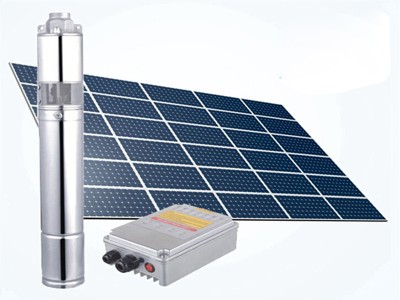
В современном мире, где стоимость энергии и ресурсов неуклонно растет, каждый домовладелец, бизнес или промышленное предприятие ищет способы сократить расходы. Один из наиболее эффективных и часто упускаемых из виду методов — это использование энергоэффективных насосов. Эти устройства, которые могут быть частью систем водоснабжения, отопления, кондиционирования или промышленных процессов, не просто выполняют свою работу — они делают это с минимальными затратами, экономя ваши деньги буквально каждый день. В этой статье мы глубоко погрузимся в тему, объясняя, почему инвестиции в эффективные насосы окупаются многократно, и как вы можете извлечь из этого максимальную выгоду.
Насосы окружают нас повсюду: в домах они обеспечивают подачу воды, в офисах — работу систем отопления и охлаждения, на заводах — перемещение жидкостей в производственных процессах. Несмотря на их повсеместность, многие люди не задумываются о том, насколько эти устройства могут влиять на их бюджет. Обычный насос может потреблять значительное количество электроэнергии, особенно если он работает непрерывно или не оптимизирован. Эффективные насосы, напротив, спроектированы с использованием передовых технологий, таких как частотные преобразователи, высокоэффективные двигатели и умное управление, что позволяет снизить энергопотребление на 20-50% и более. Это прямо переводится в экономию на счетах за электричество, которая накапливается день за днем, год за годом.
Но экономия — это не только про энергию. Эффективные насосы также уменьшают износ оборудования, сокращают частоту ремонтов и продлевают срок службы всей системы. Это означает меньше трат на запасные части и обслуживание, что дополнительно защищает ваш кошелек. В этой статье мы разберем все аспекты: от основ работы насосов до конкретных примеров экономии в различных сценариях. Вы узнаете, как выбрать правильный насос, как интегрировать его в существующую систему и почему даже небольшая первоначальная инвестиция может привести к значительной долгосрочной выгоде.
Чтобы понять, как эффективные насосы экономят деньги, сначала нужно разобраться в принципах их работы. Насос — это устройство, которое перемещает жидкости (воду, масло, химикаты и т.д.), используя механическую энергию, обычно преобразуемую из электрической. Ключевой показатель эффективности — это коэффициент полезного действия (КПД), который показывает, какая часть потребляемой энергии действительно идет на полезную работу. У традиционных насосов КПД может быть низким из-за потерь на трение, нагрев или неоптимальную конструкцию. Современные эффективные насосы достигают КПД до 90% и выше благодаря инновациям в материалах, аэродинамике и электронике.
Одним из главных прорывов стало внедрение частотно-регулируемых приводов (ЧРП). Эти устройства позволяют насосу адаптировать скорость работы к текущим потребностям, вместо того чтобы работать постоянно на полной мощности. Например, в системе водоснабжения дома насос с ЧРП будет снижать обороты, когда demand низкий, экономя энергию. Исследования показывают, что такие системы могут сократить энергопотребление на 30-40% compared to fixed-speed pumps. Это не только экономит деньги, но и снижает нагрузку на сеть и уменьшает выбросы CO2, contributing to environmental sustainability.
Кроме того, материалы играют crucial role. Использование коррозионностойких сплавов, композитов и покрытий увеличивает долговечность насосов, reducing the need for replacements. For instance, a pump made with stainless steel might last twice as long as one with cast iron, meaning you save on capital costs over time. Smart sensors and IoT integration allow for predictive maintenance, alerting you to issues before they become costly failures. All these factors combine to make efficient pumps a smart financial choice.
В домашних условиях насосы чаще всего используются в системах водоснабжения, отопления и кондиционирования. Рассмотрим каждый случай отдельно. В водоснабжении, например, циркуляционный насос для горячей воды может работать постоянно, чтобы обеспечить instant hot water at the tap. A standard pump might consume 100-200 watts continuously, leading to annual electricity costs of around 50-100 USD depending on rates. An efficient model with a variable speed drive could cut that by half, saving 25-50 USD per year. Over 10 years, that's 250-500 USD saved — more than the initial price difference between a standard and efficient pump.
In heating systems, pumps are used to circulate热水 в радиаторах或теплые полы. Here, efficiency translates to lower heating bills. For example, in a typical household, the pump might account for 10% of total heating energy use. By upgrading to an efficient pump, you could reduce that to 5%, saving potentially hundreds of dollars annually in colder climates. Add in reduced maintenance — efficient pumps have fewer breakdowns — and the savings compound. Case studies from Europe show that households can recoup the investment in an efficient pump within 2-3 years through energy savings alone.
For air conditioning, pumps in chillers or cooling towers are critical. Efficient pumps here not only save on electricity but also improve overall system performance, leading to better comfort and lower costs. In summary, for homes, efficient pumps are a no-brainer: they pay for themselves quickly and continue to save money daily.
In industrial settings, pumps are workhorses that can consume massive amounts of energy. For instance, in a manufacturing plant, pumps might be used for coolant circulation, chemical transfer, or wastewater treatment. Here, the scale of savings is enormous. A single inefficient pump in a large facility could cost thousands of dollars per year in extra energy. By switching to efficient models, companies can achieve savings of 20-50% on pump-related energy costs. This is not just about money; it also enhances competitiveness and sustainability.
Consider a real-world example: a food processing plant upgraded its pumping system with high-efficiency pumps and variable speed drives. The investment was $100,000, but it reduced energy consumption by 40%, saving $50,000 annually. The payback period was just two years, and thereafter, it pure profit. Additionally, reduced downtime and maintenance costs added another layer of savings. In commercial buildings, such as offices or malls, efficient pumps in HVAC systems can cut energy bills significantly, improving the bottom line for property managers.
Governments and organizations often offer incentives for energy-efficient upgrades, such as tax credits or grants, which can further reduce the initial cost. Thus, for businesses, investing in efficient pumps is a strategic move that boosts profitability while aligning with green initiatives.
Choosing the right efficient pump involves several steps. First, assess your needs: determine the flow rate, pressure requirements, and operating conditions. Look for pumps with high efficiency ratings, such as those certified by programs like ENERGY STAR or EU Ecodesign. Key features to consider include variable speed capability, durable materials, and smart controls. It's also wise to consult with experts or use software tools to simulate performance and savings.
Implementation should be done carefully. For existing systems, retrofitting with efficient pumps might require some modifications, but the long-term benefits outweigh the hassle. Ensure proper installation to avoid issues like cavitation or misalignment, which can reduce efficiency. Regular maintenance, such as cleaning filters and checking seals, will keep the pump running optimally. Monitoring energy usage with meters can help track savings and identify further improvements.
Finally, consider the total cost of ownership, not just the purchase price. An efficient pump might cost more upfront, but lower operating costs make it cheaper over its lifespan. For example, a pump that costs $500 more but saves $100 per year in energy will break even in five years and save money thereafter. This mindset shift — from initial cost to lifecycle cost — is essential for maximizing savings.
Эффективные насосы — это powerful tool for saving money daily. Whether in homes, businesses, or industries, they reduce energy consumption, lower maintenance costs, and enhance system reliability. The initial investment is quickly recouped through continuous savings, making them a wise financial decision. By embracing this technology, you not only protect your budget but also contribute to a more sustainable future. Start today by evaluating your current pumps and planning an upgrade — your wallet will thank you every day.
In conclusion, the evidence is clear: efficient pumps are not a luxury but a necessity for anyone looking to cut costs and improve efficiency. With advancements in technology and increasing energy prices, there has never been a better time to make the switch. Remember, every day you delay is a day of wasted money. Take action now and start enjoying the daily savings that efficient pumps bring.
Предыдущая страница: Как рассчитать расход воды насоса для дома
Следующая страница: Каковы главные факторы влияющие на высоту подачи насоса
Возвращение