Горячая линия единой национальной службы:


Свяжитесь с намиCONTACT
Текущее местоположение:Главная страница> Информационный центр> Новое в мире насосов инновации которые меняют все
2025/12/31
В современном мире насосы играют ключевую роль в различных отраслях, от водоснабжения и отопления до промышленных процессов и сельского хозяйства. Технологический прогресс не обошел стороной и эту сферу, привнося революционные изменения, которые кардинально преобразуют то, как мы используем и воспринимаем насосное оборудование. В этой статье мы подробно рассмотрим самые значимые инновации в мире насосов, их преимущества, практическое применение и то, как они способствуют устойчивому развитию и экономии ресурсов.
Насосы являются неотъемлемой частью инфраструктуры любого современного общества. Они обеспечивают подачу воды в дома и на предприятия, отвод сточных вод, циркуляцию теплоносителей в системах отопления и кондиционирования, а также используются в множестве промышленных процессов, таких как химическая обработка, пищевая промышленность и добыча полезных ископаемых. Без насосов многие аспекты нашей повседневной жизни были бы просто невозможны.
Исторически насосы эволюционировали от простых механических устройств, таких как архимедов винт, до сложных электронных систем. Сегодня мы стоим на пороге новой эры, где инновации в материаловедении, электронике и цифровых технологиях открывают беспрецедентные возможности для повышения эффективности, надежности и экологичности насосов.
В этой статье мы углубимся в детали этих инноваций, объясним, как они работают, и приведем примеры их применения в реальных условиях. Мы также обсудим, какие выгоды они приносят предприятиям и конечным пользователям, включая снижение затрат на энергию, увеличение срока службы оборудования и улучшение экологических показателей.
Одной из самых важных инноваций в насосной технике является повышение энергоэффективности. Традиционные насосы часто потребляют значительное количество электроэнергии, что приводит к высоким эксплуатационным расходам и негативному воздействию на окружающую среду. Однако новые технологии позволяют drastically снизить энергопотребление без ущерба для производительности.
Например, внедрение частотно-регулируемых приводов (ЧРП) позволяет насосам адаптировать свою работу к текущим потребностям системы. Вместо постоянной работы на максимальной мощности, насос с ЧРП автоматически регулирует скорость вращения двигателя в зависимости от давления, расхода или других параметров. Это не только экономит энергию, но и уменьшает износ оборудования, продлевая его срок службы.
Исследования показывают, что использование ЧРП может снизить энергопотребление насосных систем на 20-50%. Для крупных промышленных объектов это означает экономию тысяч долларов в год на электроэнергии. Кроме того, многие страны внедряют stricter энергетические стандарты, что стимулирует производителей разрабатывать более efficient насосы.
Другим аспектом энергоэффективности является улучшение гидравлического КПД насосов. Современные computational fluid dynamics (CFD) simulations allow engineers to optimize impeller and casing designs for minimal energy losses. Materials like composites and advanced polymers are also used to reduce weight and friction, further enhancing efficiency.
В бытовых применениях, таких как системы отопления и водоснабжения, energy-efficient насосы становятся стандартом. Например, циркуляционные насосы с классом энергоэффективности A++ могут потреблять на 80% меньше энергии по сравнению с older models. This not only saves money for homeowners but also contributes to reducing carbon footprints.
Интернет вещей (IoT) трансформирует многие отрасли, и насосная техника не исключение. Умные насосы, оснащенные sensors, connectivity, and advanced software, offer unprecedented levels of control, monitoring, and predictive maintenance.
These pumps can collect real-time data on parameters such as flow rate, pressure, temperature, vibration, and energy consumption. This data is transmitted to cloud-based platforms where it is analyzed using artificial intelligence and machine learning algorithms. The insights gained allow for optimized operation, early detection of faults, and automatic adjustments to changing conditions.
For instance, in a municipal water supply system, smart pumps can dynamically adjust pumping rates based on demand patterns, reducing energy usage during off-peak hours. They can also detect leaks or blockages early, preventing costly damages and service interruptions. In industrial settings, predictive maintenance algorithms can schedule repairs before a failure occurs, minimizing downtime and maintenance costs.
Another benefit of IoT-enabled pumps is remote monitoring and control. Operators can access pump performance data from anywhere via smartphones or computers, enabling quick responses to issues without physical presence. This is particularly valuable in remote or hazardous environments.
Examples of smart pump technologies include embedded sensors for condition monitoring, wireless communication modules (e.g., LoRaWAN, NB-IoT), and integration with building management systems (BMS) or supervisory control and data acquisition (SCADA) systems. Companies like Grundfos, Xylem, and KSB are at the forefront of this innovation, offering connected pump solutions that enhance reliability and efficiency.
Advances in materials science have led to the development of pumps that are more durable, corrosion-resistant, and suitable for harsh environments. Traditional materials like cast iron and stainless steel are being complemented or replaced by advanced composites, ceramics, and specialized coatings.
For example, in chemical processing or wastewater treatment, pumps often handle aggressive fluids that can cause rapid corrosion and wear. Using materials such as duplex stainless steels, Hastelloy, or titanium significantly extends pump life and reduces maintenance needs. Polymer-based pumps, made from materials like polypropylene or PVDF, offer excellent chemical resistance and are lighter weight, making them ideal for certain applications.
Additionally, surface treatments and coatings, such as hard chromium plating or ceramic coatings, enhance wear resistance and reduce friction, improving overall efficiency. In submersible pumps, materials are designed to withstand high pressures and abrasive particles, ensuring reliable operation in demanding conditions like mining or deep-well pumping.
These material innovations not only improve performance but also contribute to sustainability by reducing the frequency of replacements and the associated waste. For instance, a pump made with advanced materials might last twice as long as a conventional one, lowering the total cost of ownership and environmental impact.
As technology advances, pumps are becoming smaller and more compact without sacrificing power or efficiency. This trend is driven by the need for equipment that fits into limited spaces, such as in automotive systems, medical devices, or portable equipment.
Miniature pumps, often based on piezoelectric or MEMS (micro-electromechanical systems) technology, can deliver precise fluid control in applications like drug delivery, cooling of electronic components, or analytical instruments. These pumps are highly efficient and can be integrated into complex systems with minimal footprint.
In larger scale applications, compact design allows for easier installation and maintenance. For example, inline pumps or close-coupled pumps save space compared to traditional frame-mounted designs, making them popular in HVAC systems and industrial plants where space is at a premium.
The reduction in size is often achieved through optimized hydraulic designs, advanced manufacturing techniques like 3D printing, and the use of lightweight materials. This not only saves space but also reduces material usage and transportation costs, contributing to overall sustainability.
Sustainability is a major focus in modern pump design, with innovations aimed at reducing environmental impact throughout the product lifecycle. This includes energy efficiency, use of recyclable materials, and designs that minimize fluid leakage and contamination.
For instance, magnetic drive pumps eliminate the need for mechanical seals, reducing the risk of leaks and the associated environmental hazards. In applications handling hazardous fluids, this is particularly important for preventing spills and protecting ecosystems.
Additionally, manufacturers are adopting circular economy principles, designing pumps for disassembly and recycling at end-of-life. This reduces waste and conserves resources. Some companies also offer pump-as-a-service models, where customers pay for pumping performance rather than owning the equipment, encouraging efficient use and proper maintenance.
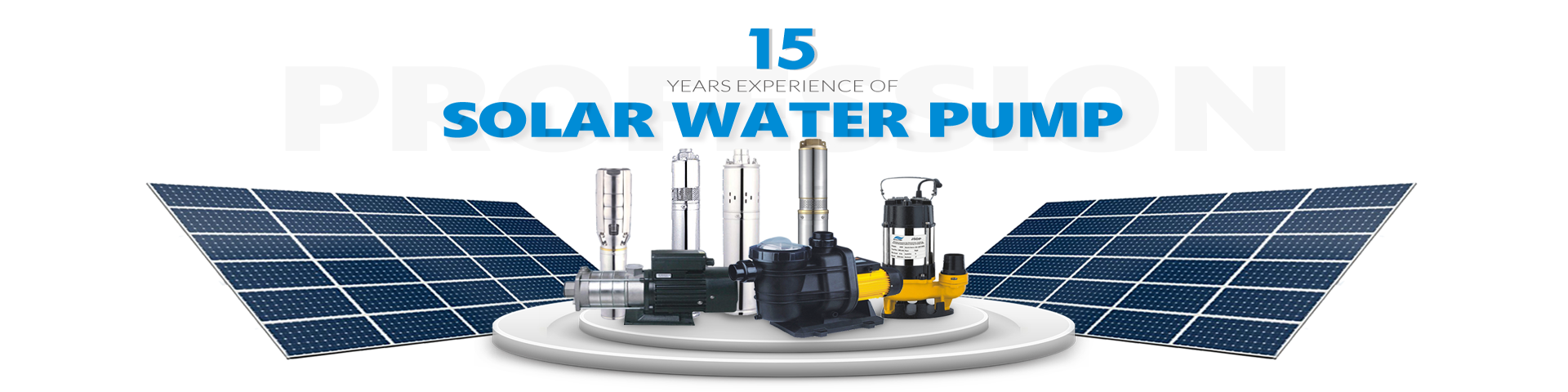
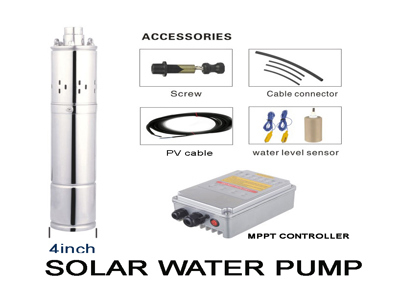
Renewable energy integration is another area of innovation. Solar-powered pumps, for example, are becoming increasingly popular in agricultural irrigation and remote water supply, reducing reliance on fossil fuels and lowering operational costs. These pumps use photovoltaic panels to generate electricity, making them ideal for off-grid applications.
Overall, the shift towards green pumps aligns with global efforts to combat climate change and promote sustainable development. By choosing environmentally friendly pump technologies, businesses and individuals can contribute to a healthier planet while enjoying economic benefits.
The innovations discussed are already being applied across various sectors with transformative results. Let's explore some real-world examples.
In water and wastewater treatment, smart pumps with IoT capabilities are revolutionizing plant operations. For instance, a treatment plant in Europe implemented connected pumps that adjust flow rates based on real-time水质 data, reducing energy consumption by 30% and improving treatment efficiency. Predictive maintenance features have also cut unplanned downtime by half.
In the oil and gas industry, advanced material pumps handle corrosive and abrasive fluids in extraction and refining processes. A pump made with duplex stainless steel in a North Sea oil platform has operated for over five years without major repairs, compared to two years for previous models, saving millions in maintenance costs.
In building services, energy-efficient circulator pumps in HVAC systems are becoming standard. A large commercial building in Moscow upgraded to A++ rated pumps, resulting in a 40% reduction in heating energy use and a payback period of less than two years due to energy savings.
In agriculture, solar-powered pumps are enabling farmers in arid regions to irrigate crops sustainably. In India, a project deployed solar pumps that reduced diesel usage by 100%, lowering costs and carbon emissions while increasing crop yields.
These examples demonstrate how innovation in pump technology is delivering tangible benefits in efficiency, cost savings, and environmental protection.
The future of pump technology looks promising, with ongoing research and development pushing the boundaries of what is possible. Emerging trends include further integration of AI for autonomous operation, development of pumps for new energy sources like hydrogen, and advances in nanotechnology for ultra-precise fluid handling.
AI and machine learning will enable pumps to become even smarter, with self-learning capabilities that optimize performance based on historical data and real-time conditions. This could lead to fully autonomous pumping systems that require minimal human intervention.
As the world transitions to renewable energy, pumps will play a key role in hydrogen production and storage, as well as in carbon capture and storage (CCS) systems. New pump designs will be needed to handle these novel applications safely and efficiently.
Nanotechnology might lead to the development of nano-pumps for medical and scientific uses, such as targeted drug delivery or lab-on-a-chip devices. These tiny pumps could revolutionize healthcare and research.
Overall, the pace of innovation is accelerating, and we can expect pumps to become even more integral to modern infrastructure, driving progress in sustainability and efficiency.
In conclusion, the world of pumps is undergoing a profound transformation driven by innovations in energy efficiency, digitalization, materials science, and sustainability. These changes are not just technical improvements but represent a shift towards smarter, greener, and more reliable systems that benefit everyone from industrial operators to homeowners.
By adopting these new technologies, businesses can reduce operating costs, enhance productivity, and contribute to environmental goals. For individuals, advanced pumps mean more reliable water supply, efficient heating, and lower utility bills.
As we look to the future, it is clear that pumps will continue to evolve, incorporating even more advanced technologies to meet the challenges of a changing world. Embracing these innovations is key to building a sustainable and prosperous future.
We encourage readers to explore the latest pump solutions from leading manufacturers and consider how these technologies can be applied in their own contexts. The investment in modern pump systems pays off not only in economic terms but also in environmental and social benefits.
Thank you for reading this comprehensive overview of innovations in the pump world. Stay tuned for more updates as technology continues to advance.
Предыдущая страница: Установка и обслуживание насоса для бассейна шаг за шагом
Следующая страница: Топ 10 прорывных тенденций в насосах 2024 года
Возвращение