Горячая линия единой национальной службы:



Свяжитесь с намиCONTACT
Текущее местоположение:Главная страница> Информационный центр> Умные насосы будущее водоснабжения и экономии ресурсов
2025/12/22
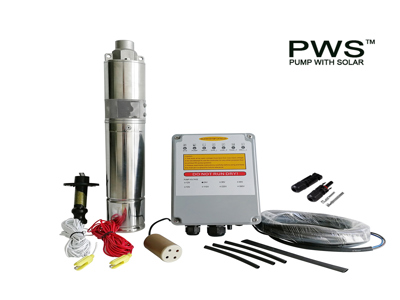
В современном мире, где вопросы устойчивого развития и эффективного использования ресурсов становятся все более актуальными, умные насосы emerge как ключевая технология, способная революционизировать системы водоснабжения и значительно сократить потребление энергии и воды. Эта статья представляет собой всесторонний анализ умных насосов, их технологических основ, преимуществ, вызовов внедрения и будущих перспектив. Мы углубимся в детали, чтобы предоставить глубокое понимание того, как эти инновационные устройства могут способствовать созданию более устойчивого и экономичного будущего.
Умные насосы — это насосные системы, оснащенные передовыми технологиями, такими как интернет вещей (IoT), искусственный интеллект (AI) и автоматизация, которые позволяют им работать более эффективно, адаптивно и с минимальным вмешательством человека. В отличие от традиционных насосов, которые часто работают на постоянной скорости и без учета реальных потребностей, умные насосы могут динамически регулировать свою производительность на основе данных в реальном времени, таких как давление, поток и качество воды. Это не только улучшает надежность систем водоснабжения, но и приводит к существенной экономии ресурсов, включая энергию и воду.
Исторически насосы использовались для перекачки воды с древних времен, но только в последние десятилетия, с развитием цифровых технологий, они стали «умными». Ранние системы насосов были механическими и требовали постоянного контроля, что приводило к высоким эксплуатационным затратам и неэффективности. С появлением программируемых логических контроллеров (PLC) в 1960-х годах началась эра автоматизации, но настоящий прорыв произошел с интеграцией IoT и cloud computing в 21 веке. Сегодня умные насосы могут быть частью более широких умных сетей, таких как умные города, где они взаимодействуют с другими устройствами для оптимизации всего водного цикла.
Актуальность темы обусловлена глобальными вызовами, включая изменение климата, рост населения и истощение водных ресурсов. По данным ООН, к 2050 году более 5 миллиардов человек могут столкнуться с нехваткой воды, что делает эффективное управление водными ресурсами критически важным. Умные насосы предлагают практическое решение, позволяя сократить потери воды до 30% и снизить энергопотребление на 20-50% по сравнению с традиционными системами. Кроме того, они способствуют достижению целей устойчивого развития (ЦУР) ООН, таких как цель 6 (чистая вода и санитария) и цель 7 (доступная и чистая энергия).
В этой статье мы рассмотрим различные аспекты умных насосов, начиная с их технологических компонентов, преимуществ для водоснабжения и экономии ресурсов, вызовов и барьеров внедрения, примеров успешных кейсов, и заканчивая будущими тенденциями и рекомендациями. Цель — предоставить читателям исчерпывающее руководство по тому, как умные насосы могут быть интегрированы в современные инфраструктуры для создания более устойчивого мира.
Умные насосы построены на нескольких ключевых технологиях, которые делают их «умными». Основные компоненты включают датчики, контроллеры, connectivity модули и software для анализа данных. Датчики измеряют параметры, такие как давление, температура, поток и качество воды, в реальном времени. Эти данные передаются через connectivity модули (например, Wi-Fi, Bluetooth, или cellular networks) к контроллерам, которые используют algorithms для принятия решений, таких как регулирование скорости насоса или запуск профилактического обслуживания.
IoT играет центральную роль в умных насосах, позволяя устройствам общаться друг с другом и с центральными системами управления. Например, насос может отправлять данные на cloud platform, где AI algorithms анализируют patterns для预测 сбоев или оптимизации работы. Это снижает необходимость в человеческом вмешательстве и повышает надежность. Кроме того, integration с SCADA systems (Supervisory Control and Data Acquisition) позволяет операторам monitor и управлять насосами удаленно, что особенно полезно для крупномасштабных систем водоснабжения.
Энергоэффективность является одним из главных преимуществ умных насосов. Традиционные насосы часто работают на fixed speed, что приводит к избыточному потреблению энергии, когда demand низкий. Умные насосы используют variable frequency drives (VFD) или подобные технологии для плавного регулирования скорости based on реальных потребностей. Это не только экономит энергию, но и reduces wear and tear, продлевая срок службы оборудования. Например, исследование показало, что VFD могут снизить энергопотребление на 25-50% в системах водоснабжения.
Безопасность и надежность также enhanced through умные функции. Датчики могут detect anomalies, такие как утечки или перегрузки, и автоматически shut down систему или отправлять alerts to operators. Predictive maintenance, основанное на machine learning, позволяет anticipate failures before они occur, reducing downtime и costs. В целом, технологическая stack умных насосов делает их более adaptive, efficient, и cost-effective compared to传统 alternatives.
Умные насосы предлагают множество преимуществ для систем водоснабжения, начиная от улучшения reliability и заканчивая reduction операционных затрат. Одним из наиболее значительных benefits является enhanced efficiency в распределении воды. By dynamically adjusting to demand, умные насосы ensure that water delivered precisely where and when it needed, reducing losses due to over-pumping или under-pumping. Это особенно важно в urban areas, где колебания demand могут быть значительными в течение дня.
Экономия воды достигается through точный контроль и мониторинг. Умные насосы can detect leaks early с помощью acoustic sensors или pressure monitoring, allowing for quick repairs before major losses occur. По оценкам, up to 30% of water in distribution systems lost due to leaks, и умные технологии могут significantly mitigate this. Additionally, умные насосы can optimize water quality by monitoring parameters like turbidity и pH, ensuring that water safe for consumption without unnecessary treatment.
С точки зрения energy savings, умные насосы are game-changers. Water pumping accounts for a significant portion of global energy consumption, особенно в странах с extensive irrigation systems. By using VFD и AI-based optimization, умные насосы reduce energy use by matching pump speed to actual needs. Это not only lowers electricity bills но и reduces carbon footprint, contributing to climate change mitigation. Например, в сельском хозяйстве, умные насосы для irrigation can save up to 40% энергии compared to conventional systems.
Operational benefits include reduced maintenance costs and increased lifespan of equipment. Predictive maintenance algorithms analyze data from sensors to schedule repairs only when necessary, avoiding costly breakdowns. Remote monitoring allows operators to manage multiple pumps from a central location, reducing labor costs and improving response times. В целом, умные насосы transform водоснабжение из reactive системы в proactive, data-driven ecosystem.
Экономия ресурсов является core advantage умных насосов, охватывая not only water and energy но и financial и environmental resources. На микроуровне, businesses и municipalities can achieve significant cost savings through reduced utility bills и lower maintenance expenses. Например, город might invest in умные насосы для своей water distribution network и see return on investment within few years due to energy savings и reduced water losses.
На макроуровне, умные насосы contribute to resource conservation on a global scale. Water scarcity is a pressing issue, и efficient pumping systems help preserve freshwater resources by minimizing waste. Similarly, energy savings reduce reliance on fossil fuels, lowering greenhouse gas emissions. According to the International Energy Agency, improving energy efficiency in water systems could save up to 200 TWh of electricity annually by 2030, equivalent to the output of several large power plants.
Environmental benefits extend beyond energy and water. Умные насосы can reduce the need for new infrastructure by optimizing existing systems, thus conserving materials and land. Они also support circular economy principles by enabling better management of water cycles, such as through smart wastewater pumping that facilitates recycling and reuse. В сельском хозяйстве, умные irrigation pumps ensure that water used precisely, reducing runoff and soil erosion, which protects ecosystems.
Case studies illustrate these benefits. Например, в Сингапуре, умные насосы integrated into the NEWater system have helped achieve high efficiency in water reclamation, contributing to the country's water sustainability goals. В Европе, projects like the SmartWater4Europe initiative demonstrate how умные технологии can reduce non-revenue water by up to 25%. Эти examples show that умные насосы are not just theoretical but practical tools for resource conservation.
Несмотря на преимущества, внедрение умных насосов сталкивается с несколькими вызовами. Один из основных barriers — high initial costs. Умные насосы often require significant investment in technology, including sensors, controllers, and software, which can be prohibitive for small communities or developing regions. Однако, total cost of ownership usually lower due to savings over time, but upfront costs can deter adoption.
Технические challenges include interoperability and standardization. Умные насосы from different manufacturers may use proprietary protocols, making integration difficult. Lack of standards can lead to compatibility issues, especially in legacy systems. Additionally, cybersecurity risks are a concern, as connected devices vulnerable to hacking, which could disrupt water supply or cause safety issues. Robust security measures, such as encryption and regular updates, are essential but add complexity.
Культурные и организационные barriers also play a role. Operators and decision-makers may be resistant to change, preferring traditional methods due to familiarity. Training is needed to equip staff with skills to manage smart systems effectively. In some cases, regulatory frameworks may not support or incentivize adoption of smart technologies, slowing down implementation.
To overcome these challenges, stakeholders can pursue strategies such as phased implementation, starting with pilot projects to demonstrate benefits. Government incentives and subsidies can help offset costs. Collaboration between industry, academia, and government can drive standardization and best practices. Education and awareness campaigns can highlight long-term benefits, encouraging wider adoption.
Real-world examples showcase the effectiveness of умные насосы. В Копенгагене, Дания, умные насосы deployed in the district heating system have reduced energy consumption by 20% and improved reliability. The system uses IoT sensors to monitor demand and adjust pumping accordingly, resulting in significant cost savings and environmental benefits.
В США, город Лос-Анджелес implemented smart pumps in its water distribution network to address aging infrastructure and water losses. By using predictive analytics, the city has reduced leak detection time from weeks to hours, saving millions of gallons of water annually. The project also included public-private partnerships to share risks and rewards.
В развивающихся странах, умные насосы are being used in off-grid areas for solar-powered irrigation. Например, в Индии, projects like the PMKSY (Pradhan Mantri Krishi Sinchayee Yojana) incorporate smart pumps to optimize water use in agriculture, helping farmers increase yields while conserving resources. These examples demonstrate that умные насосы can be adapted to various contexts and scales.
Lessons learned from these implementations include the importance of stakeholder engagement, continuous monitoring, and flexibility in design. Success often depends on tailoring solutions to local conditions and ensuring that technology is user-friendly and accessible.
Будущее умных насосов bright, с ongoing advancements in technology. One trend is the integration of artificial intelligence and machine learning for even more precise control. AI can analyze vast datasets to optimize pumping schedules based on weather forecasts, demand patterns, and other factors, further enhancing efficiency.
Another innovation is the use of blockchain for secure and transparent data management. Blockchain can ensure that data from smart pumps is tamper-proof, facilitating trust in transactions such as water trading or compliance reporting. Additionally, edge computing is becoming more prevalent, allowing data processing to occur closer to the source, reducing latency and bandwidth usage.
С точки зрения sustainability, future smart pumps may incorporate renewable energy sources, such as solar or wind power, to make systems fully green. Hybrid systems that combine multiple energy sources can ensure reliability even in remote areas. Moreover, advances in materials science may lead to more durable and efficient pump designs, reducing environmental impact over the lifecycle.
В долгосрочной перспективе, умные насосы could become integral to smart cities, interacting with other infrastructures like smart grids and transportation systems. This holistic approach can maximize resource savings and improve quality of life. Research and development are key to driving these innovations, with collaborations between industry and academia essential for progress.
Для успешного внедрения умных насосов, stakeholders should consider several recommendations. Governments can play a role by providing incentives, such as tax breaks or grants, for adopting smart technologies. They should also update regulations to support innovation and ensure cybersecurity standards.
Businesses and utilities should start with pilot projects to test feasibility and demonstrate ROI. Investing in training for employees is crucial to build capacity for managing smart systems. Collaboration with technology providers can help customize solutions to specific needs.
Consumers and communities can advocate for smart water management and participate in awareness programs. By supporting sustainable practices, they can drive demand for smart pumps and other innovations.
В целом, a multi-stakeholder approach is necessary to overcome barriers and realize the full potential of умные насосы. By working together, we can create a more efficient and sustainable future for water supply and resource conservation.
Умные насосы represent a transformative technology for water supply and resource savings. Through advanced features like IoT, AI, and automation, they offer significant benefits in efficiency, reliability, and sustainability. While challenges exist, the examples and trends show that adoption is feasible and rewarding. As we move towards a more connected and sustainable world, умные насосы will play a critical role in ensuring that water and energy resources are used wisely. It is imperative for all stakeholders to embrace these innovations and work towards a future where smart pumping is the norm, not the exception.
Предыдущая страница: Всё о насосах для дома и дачи: выбор, установка и обслуживание
Следующая страница: Экономит ли электроэнергию частотный насос в быту
Возвращение