Горячая линия единой национальной службы:

Свяжитесь с намиCONTACT
Текущее местоположение:Главная страница> Информационный центр> Всё о насосах для дома и дачи: выбор, установка и обслуживание
2025/12/23
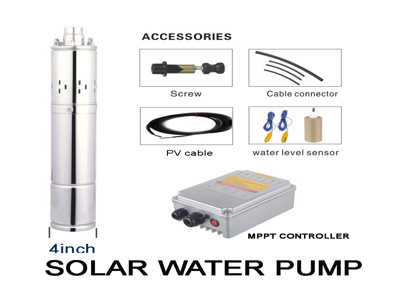
Насосы являются незаменимыми устройствами в современном доме и на даче. Они обеспечивают водоснабжение, отвод сточных вод, полив сада и многое другое. Правильный выбор, установка и обслуживание насоса могут значительно повысить комфорт и эффективность использования воды. В этой статье мы подробно рассмотрим все аспекты, связанные с насосами для домашнего и дачного использования.
Насосы — это механические устройства, предназначенные для перемещения жидкостей, таких как вода, путем создания давления или вакуума. Их история насчитывает тысячелетия, начиная с древних времен, когда люди использовали простые ручные насосы для подъема воды из колодцев. Сегодня насосы стали высокотехнологичными устройствами, способными работать автоматически и обеспечивать бесперебойное водоснабжение.
Для дома и дачи насосы играют crucial роль. Они могут использоваться для:
Выбор правильного насоса зависит от множества факторов, включая тип источника воды, требуемый расход и напор, а также условия эксплуатации. В следующих разделах мы детально разберем каждый аспект.
Существует множество типов насосов, каждый из которых предназначен для specific задач. Основные категории включают поверхностные насосы, погружные насосы, дренажные насосы и циркуляционные насосы. Давайте рассмотрим каждый тип подробнее.
Поверхностные насосы устанавливаются на поверхности земли и используются для перекачки воды из неглубоких источников, таких как колодцы или водоемы. Они ideal для полива и водоснабжения дачных участков. Преимущества поверхностных насосов включают простоту установки и обслуживания, а также относительно низкую стоимость. Однако они имеют limitations по глубине всасывания, обычно не более 8-10 метров.
Примеры поверхностных насосов:
Погружные насосы полностью погружаются в воду и используются для глубоких скважин или колодцев. Они capable of providing high pressure and flow, making them suitable for household water supply. These pumps are more efficient than surface pumps but require professional installation and maintenance.
Types of submersible pumps:
Дренажные насосы используются для отвода загрязненной воды, например, из подвалов или бассейнов. Они equipped with filters to handle solids and are essential for flood prevention. These pumps can be submersible or surface-type, depending on the application.
Циркуляционные насосы are used in heating systems to circulate hot water, ensuring even distribution of heat. They are compact, energy-efficient, and often installed in closed systems.
Выбор насоса — critical step that depends on several factors. Incorrect selection can lead to inefficiency, high energy consumption, or even failure. Here are the key parameters to consider:
Расход (flow rate) измеряется в литрах в minute или cubic meters per hour и indicates how much water the pump can move. Напор (head) измеряется в meters и shows the height to which the pump can lift water. To calculate required flow and head, consider the number of water points (e.g., taps, showers) and the vertical distance from the water source.
Formula for head calculation: Total head = vertical height + friction losses in pipes. Use pump performance curves provided by manufacturers to match your needs.
The source of water (well, river, tap) determines the pump type. For example, a deep well requires a submersible pump, while a shallow pond may use a surface pump. Also, consider water quality: clean water pumps are different from those for dirty water.
Energy efficiency is important to reduce operating costs. Look for pumps with high efficiency ratings, such as those符合 европейских стандартов. Electric pumps are common, but solar-powered options are available for off-grid applications.
Popular brands for household pumps include Grundfos, Wilo, и Pedrollo. While budget pumps may be cheaper, investing in a reliable brand can save money in the long run due to lower maintenance and longer lifespan. Expect to spend from 5,000 to 50,000 rubles depending on type and features.
Proper installation is crucial for pump performance and safety. While some pumps can be installed DIY, others require professional help. Here's a general guide:
Before installation, gather all necessary tools and materials: pipes, fittings, electrical cables, and safety equipment. Ensure the power supply is turned off to prevent accidents. Read the manufacturer's manual thoroughly.
For a surface pump, place it on a stable, dry surface near the water source. Connect the suction pipe to the pump and the water source, ensuring it is airtight to prevent air leaks. Prime the pump by filling it with water before starting. Connect the discharge pipe to the water system and check for leaks.
Submersible pump installation is more complex. Lower the pump into the well using a safety rope and electrical cable. Secure the pump at the desired depth, typically above the bottom to avoid sediment. Connect the discharge pipe and electrical supply, ensuring all connections are waterproof. Test the pump before finalizing.
Always follow local electrical codes. Use a dedicated circuit and ground fault circuit interrupter (GFCI) for safety. If unsure, hire a licensed electrician. For automatic operation, install a pressure switch or float switch to control the pump based on water level or pressure.
After installation, test the pump by running it for a few minutes. Check for unusual noises, vibrations, or leaks. Monitor pressure and flow to ensure they meet expectations. Make adjustments as needed.
Regular maintenance can prevent breakdowns and extend the pump's life. Here are essential maintenance tips:
For frequently used pumps, inspect visually for leaks or damage. Keep the area around the pump clean and free of debris. Listen for abnormal sounds that might indicate issues.
Check and clean filters if applicable. For surface pumps, ensure the priming water is clean. Test automatic controls like pressure switches to ensure they function correctly.
Before winter, drain pumps and pipes to prevent freezing damage. For submersible pumps, consider pulling them out for inspection if not used year-round. Lubricate moving parts if recommended by the manufacturer.
Common issues include loss of prime, low pressure, or pump not starting. Causes can be air leaks, clogged filters, or electrical faults. Troubleshoot step by step: check power supply, inspect pipes, and clean components. If problems persist, consult a professional.
Based on experience, here are some additional tips:
Насосы для дома и дачи — это powerful tools that enhance quality of life. By understanding the types, making informed choices, proper installation, and regular maintenance, you can ensure reliable performance for years to come. Always prioritize safety and don't hesitate to seek professional advice when needed.
We hope this comprehensive guide has provided valuable insights. Happy pumping!
Предыдущая страница: Зачем использовать солнечные насосы для полива огорода
Следующая страница: Умные насосы будущее водоснабжения и экономии ресурсов
Возвращение