Горячая линия единой национальной службы:



Свяжитесь с намиCONTACT
Текущее местоположение:Главная страница> Информационный центр> Защитите оборудование с антикоррозийными насосами
2025/12/29
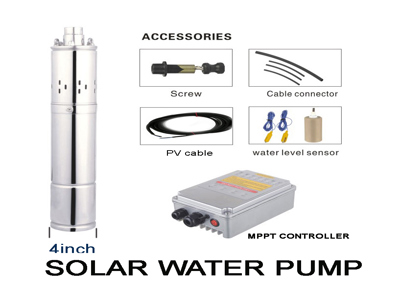
В современной промышленности надежность оборудования играет ключевую роль в обеспечении бесперебойной работы и минимизации затрат на техническое обслуживание. Одной из самых распространенных проблем, с которыми сталкиваются инженеры и операторы, является коррозия – разрушительный процесс, который может привести к серьезным поломкам, простоям и финансовым потерям. В этой статье мы подробно рассмотрим, как антикоррозийные насосы могут стать эффективным решением для защиты вашего оборудования, продления его срока службы и повышения общей производительности. Мы углубимся в основы коррозии, типы антикоррозийных насосов, их преимущества, применение в различных отраслях, а также дадим практические рекомендации по выбору и обслуживанию. К концу этой статьи вы будете вооружены знаниями, необходимыми для принятия обоснованных решений и инвестирования в технологии, которые защитят ваши активы на долгие годы.
Коррозия – это естественный процесс разрушения материалов, обычно металлов, в результате химических или электрохимических реакций с окружающей средой. В промышленных условиях она часто ускоряется из-за воздействия агрессивных сред, таких как кислоты, щелочи, соли или влага. Коррозия может проявляться в различных формах: равномерная коррозия, точечная коррозия, межкристаллитная коррозия или коррозионное растрескивание. Последствия включают снижение прочности конструкций, утечки, загрязнение продукции и, в худшем случае, катастрофические отказы. Например, в химической промышленности коррозия насосов может привести к выбросу опасных веществ, а в водоснабжении – к ухудшению качества воды. Экономический ущерб от коррозии оценивается в миллиарды долларов ежегодно по всему миру, включая затраты на ремонт, замену оборудования и простои производства. Поэтому борьба с коррозией – не просто желательная мера, а необходимость для любой компании, стремящейся к устойчивому развитию.
Антикоррозийные насосы разработаны специально для работы в агрессивных средах и изготавливаются из материалов, устойчивых к коррозии. Основные типы включают центробежные насосы, мембранные насосы, шестеренные насосы и винтовые насосы. Ключевой особенностью является использование коррозионно-стойких материалов, таких как нержавеющая сталь (например, марки 316L), дуплексная сталь, титан, хастеллой, полипропилен, PVDF (поливинилиденфторид) или керамика. Каждый материал имеет свои преимущества: нержавеющая сталь подходит для многих химических сред, титан – для высококоррозионных условий, а пластиковые насосы – для кислот и щелочей. Кроме того, современные антикоррозийные насосы часто оснащаются дополнительными защитными features, такими как покрытия, уплотнения из PTFE (тефлона) или системы мониторинга для раннего обнаружения износа. Выбор конкретного типа зависит от application: например, центробежные насосы идеальны для перекачки больших объемов жидкостей, а мембранные насосы – для точной дозировки агрессивных химикатов.
Инвестиции в антикоррозийные насосы приносят многочисленные выгоды. Во-первых, они значительно продлевают срок службы оборудования, снижая частоту замены и ремонта. Это приводит к прямой экономии на затратах на техническое обслуживание и уменьшению простоев, что критически важно для непрерывных производственных процессов. Во-вторых, антикоррозийные насосы повышают безопасность, предотвращая утечки и выбросы опасных веществ, что защищает personnel и окружающую среду. В-третьих, они обеспечивают стабильность работы: насосы, устойчивые к коррозии, maintain consistent performance even in harsh conditions, improving product quality and efficiency. Additionally, many anti-corrosion pumps are designed with energy efficiency in mind, reducing operational costs. For example, in the pharmaceutical industry, using corrosion-resistant pumps ensures compliance with strict hygiene standards and prevents contamination. Overall, the return on investment (ROI) is high, as the initial cost is offset by long-term savings and reduced risk.
Антикоррозийные насосы находят широкое применение across multiple industries. In the chemical industry, они используются для перекачки кислот, растворителей и других агрессивных chemicals, where corrosion can cause severe damage. In water treatment, они помогают handle chlorinated water, seawater, or wastewater, preventing contamination and ensuring reliable supply. The oil and gas sector relies on them for handling corrosive fluids like sour crude or brines, often in remote or harsh environments. In food and beverage, антикоррозийные насосы made from stainless steel or food-grade plastics maintain hygiene and prevent metal leaching. The pharmaceutical industry uses them for precise dosing of active ingredients in sterile conditions. Even in mining and metallurgy, these pumps are essential for handling slurries and corrosive leachates. Each industry has specific requirements, but the common thread is the need for durability and reliability. Case studies show that companies that switch to anti-corrosion pumps experience fewer failures and lower maintenance costs. For instance, a chemical plant reported a 30% reduction in downtime after upgrading to titanium pumps.
Выбор правильного антикоррозийного насоса requires careful consideration of several factors. First, analyze the fluid characteristics: chemical composition, temperature, pH, abrasiveness, and viscosity. This will determine the suitable material – for example, PVDF for strong acids or stainless steel for general purposes. Second, consider the operational parameters: flow rate, pressure, and duty cycle. Centrifugal pumps are good for high flow, low pressure applications, while positive displacement pumps like diaphragm pumps are better for high pressure or viscous fluids. Third, evaluate the environment: indoor vs. outdoor, explosive atmospheres (requiring ATEX certification), or sanitary requirements. Fourth, think about maintenance: easy-to-access designs and availability of spare parts can reduce downtime. It's also wise to consult with manufacturers or experts, as they can provide tailored recommendations based on experience. Testing the pump with a sample fluid before full-scale implementation is a best practice. Additionally, consider future needs: scalability and compatibility with existing systems. Budget is important, but focus on total cost of ownership rather than just initial price – a cheaper pump may cost more in the long run due to frequent repairs.
Чтобы максимизировать benefits of anti-corrosion pumps, proper maintenance is crucial. Regular inspections should include checking for signs of wear, corrosion, or leaks. Lubricate moving parts as per manufacturer's guidelines, and replace seals and gaskets periodically. Monitoring performance metrics like flow rate and pressure can help detect issues early. Use compatible cleaning agents to avoid damaging materials – for example, avoid harsh chemicals on plastic pumps. Training staff on correct operation and maintenance procedures is essential to prevent human error. Implement a preventive maintenance schedule based on usage hours or operational cycles. Keep records of maintenance activities to track history and plan replacements. In case of failure, have a contingency plan to minimize downtime. Best practices also include storing spare parts on-site and establishing relationships with reliable suppliers. Regular audits by third-party experts can identify potential improvements. Remember, even the most corrosion-resistant pump will fail if neglected, so proactive care is key to longevity.
The field of anti-corrosion pumps is evolving with advancements in materials science and technology. New materials, such as advanced composites and nano-coatings, are being developed to offer even better resistance and lighter weight. Smart pumps with IoT sensors are becoming popular, enabling real-time monitoring of conditions like temperature, vibration, and corrosion rates, and predicting maintenance needs through AI algorithms. Energy-efficient designs are focusing on reducing power consumption, which aligns with sustainability goals. Modular and customizable pumps allow for easier adaptation to specific applications. Additionally, there is a growing emphasis on environmental friendliness, with pumps designed for easier recycling and reduced ecological impact. Research is ongoing in areas like self-healing materials that can automatically repair minor damage. These innovations will make anti-corrosion pumps more reliable, cost-effective, and integrated into digitalized industrial systems. Staying updated with these trends can give companies a competitive edge.
В заключение, антикоррозийные насосы являются незаменимым инструментом для защиты промышленного оборудования от разрушительных effects of corrosion. Они предлагают numerous advantages, including extended lifespan, enhanced safety, and cost savings. By understanding the types, applications, and selection criteria, you can make informed decisions that benefit your operations. Regular maintenance and staying abreast of innovations will ensure optimal performance. Investing in high-quality anti-corrosion pumps is not just a technical upgrade; it's a strategic move towards reliability, efficiency, and long-term sustainability. Don't wait for failures to happen – proactive adoption of these technologies can safeguard your assets and propel your business forward in an increasingly competitive landscape.
Если у вас есть вопросы или需要 personalized advice, обратитесь к специалистам или производителям для консультации. Защитите ваше оборудование сегодня – и reap the rewards for years to come.
Предыдущая страница: Какие преимущества пластиковых насосов для воды по сравнению с металлическими
Следующая страница: Нержавеющая сталь водяной насос для питьевой воды долговечность и безопасность
Возвращение