Горячая линия единой национальной службы:



Свяжитесь с намиCONTACT
Текущее местоположение:Главная страница> Информационный центр> Какие преимущества пластиковых насосов для воды по сравнению с металлическими
2025/12/29
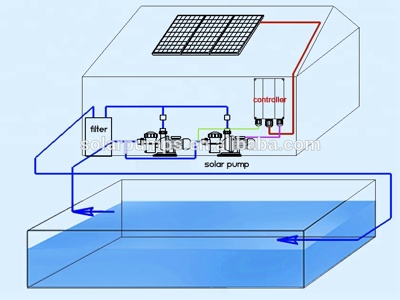
Когда речь заходит о выборе насосного оборудования для воды, многие задаются вопросом: какие насосы лучше — пластиковые или металлические? Этот вопрос актуален для домовладельцев, промышленных предприятий и сельского хозяйства, где надежность и эффективность играют ключевую роль. В этой статье мы подробно разберем преимущества пластиковых насосов, сравнивая их с традиционными металлическими аналогами. Мы рассмотрим такие аспекты, как коррозионная стойкость, вес, стоимость, экологичность и многое другое. К концу чтения вы сможете сделать informed decision о том, какой тип насоса подходит именно для ваших нужд.
Насосы для воды являются неотъемлемой частью многих систем: от бытового водоснабжения до крупных промышленных установок. Неправильный выбор может привести к повышенным расходам на обслуживание, частым поломкам и даже экологическим проблемам. Металлические насосы, такие как чугунные или стальные, долгое время доминировали на рынке благодаря своей прочности. Однако с развитием технологий пластиковые насосы, изготовленные из материалов like полипропилен (PP), поливинилхлорид (PVC) или полиэтилен (PE), стали серьезным конкурентом. Они предлагают уникальные преимущества, которые делают их привлекательными для modern applications.
Одним из самых значительных преимуществ пластиковых насосов является их исключительная стойкость к коррозии. Металлические насосы, особенно из железа или стали, подвержены ржавчине при контакте с водой, особенно если она содержит агрессивные химические вещества или соли. Это может привести к уменьшению срока службы, утечкам и загрязнению воды. Например, в морской воде или в системах с высокой минерализацией металлические насосы требуют частой замены или дорогостоящего покрытия.
Пластиковые насосы, напротив, инертны к большинству химических веществ. Материалы like PVC устойчивы к кислотам, щелочам и солям, что делает их идеальными для использования в химической промышленности, сельском хозяйстве (например, для irrigation с удобрениями) или в бытовых системах с жесткой водой. Исследования показывают, что пластиковые насосы могут служить до 50% дольше в коррозионных средах compared to metal pumps, reducing maintenance costs and downtime.
Еще одно очевидное преимущество — вес. Пластиковые насосы значительно легче металлических. Например, насос из полипропилена может весить в 2-3 раза меньше, чем аналогичный чугунный насос. Это упрощает транспортировку, установку и обслуживание. Меньший вес means, что для монтажа не требуется тяжелая техника, что особенно важно в удаленных или труднодоступных местах. Кроме того, пластиковые насосы often modular in design, allowing for easy assembly and disassembly without specialized tools.
In contrast, metal pumps are heavier and more cumbersome, requiring cranes or multiple personnel for installation. This can increase initial setup costs and time. For DIY enthusiasts or small businesses, the lightness of plastic pumps is a major plus, enabling quick deployments and adjustments.
Cost is a critical factor in any purchasing decision. Plastic pumps are generally cheaper to manufacture than metal pumps, thanks to lower material costs and simpler production processes. This translates to a lower purchase price for consumers. Additionally, their corrosion resistance and durability reduce long-term expenses on replacements, repairs, and anti-corrosion treatments.
Metal pumps, while initially robust, often incur higher lifecycle costs due to maintenance needs. For instance, painting or galvanizing metal surfaces to prevent rust adds to the expense. In terms of energy efficiency, plastic pumps can be designed with smoother internal surfaces, reducing friction and improving flow rates, which may lead to lower energy consumption over time.
In today's world, environmental considerations are paramount. Plastic pumps offer advantages here as well. Many plastic materials used in pumps are recyclable, such as HDPE or PP, reducing waste and promoting circular economy practices. Their production typically has a lower carbon footprint compared to metal smelting and processing, which are energy-intensive and polluting.
Metal pumps, though recyclable, often involve mining and high emissions during manufacturing. However, it's important to note that plastic pumps should be disposed of properly to avoid plastic pollution. Advances in biodegradable plastics are making this less of an issue. Overall, for applications where sustainability is a priority, plastic pumps can be a greener choice.
Maintenance is another area where plastic pumps shine. Their non-corrosive nature means fewer issues with sealing and part degradation. Components like impellers and casings in plastic pumps are less prone to fouling or scaling, common problems in metal pumps with hard water. This results in less frequent cleaning and servicing.
Durability-wise, high-quality plastic pumps can last for decades in appropriate conditions. They are resistant to UV radiation if treated, and their flexibility can absorb vibrations better than rigid metal, reducing wear on other system parts. Metal pumps, while strong, are brittle under impact and can crack or deform, leading to costly failures.
Plastic pumps are versatile and used in various sectors. In residential settings, they are popular for garden irrigation, pool filtration, and domestic water supply due to their quiet operation and safety (no risk of electric shock from corrosion). In industry, they handle chemicals, wastewater, and food processing, where hygiene and chemical resistance are crucial. For example, in the pharmaceutical industry, plastic pumps prevent contamination.
A case study: a farm switched from metal to plastic pumps for fertilizer application and reported a 30% reduction in maintenance costs and no corrosion issues after five years. Similarly, a municipal water treatment plant adopted plastic pumps for pumping chlorinated water, extending pump life from 10 to 20 years.
Despite the advantages, plastic pumps are not suitable for all situations. They have lower temperature and pressure tolerances compared to metal pumps. For high-temperature applications (above 80-100°C) or high-pressure systems, metal pumps made from stainless steel or bronze are preferable. Additionally, in environments with abrasive particles, metal pumps with hardened surfaces may outperform plastic ones in terms of wear resistance.
It's essential to assess specific needs: if the application involves extreme conditions, metal might still be the way to go. However, for most water pumping tasks, plastic offers a balanced solution.
The future of pumping technology is leaning towards smarter, more efficient designs. Plastic pumps are benefiting from advancements in materials science, such as nanocomposites that enhance strength and thermal stability. IoT integration allows for remote monitoring and predictive maintenance, making plastic pumps even more reliable.
As sustainability drives innovation, we may see more bio-based plastics entering the market, further reducing environmental impact. Metal pumps are also evolving with coatings and alloys, but plastic's adaptability gives it an edge in customization and cost-effectiveness.
In summary, plastic water pumps offer numerous advantages over metal ones, including superior corrosion resistance, lightness, cost savings, environmental benefits, and ease of maintenance. They are ideal for a wide range of applications, from household to industrial, where water quality and efficiency are priorities. However, it's crucial to consider the specific requirements of your system, such as temperature and pressure, before deciding.
We hope this article has shed light on the benefits and helped you understand why plastic pumps are gaining popularity. If you have further questions or need assistance in selecting a pump, consult with a professional to ensure the best fit for your needs. Remember, the right pump can save you time, money, and hassle in the long run.
Thank you for reading! Share your thoughts or experiences with plastic vs. metal pumps in the comments below.
Предыдущая страница: Автоматический насос для воды революция в доме
Следующая страница: Защитите оборудование с антикоррозийными насосами
Возвращение